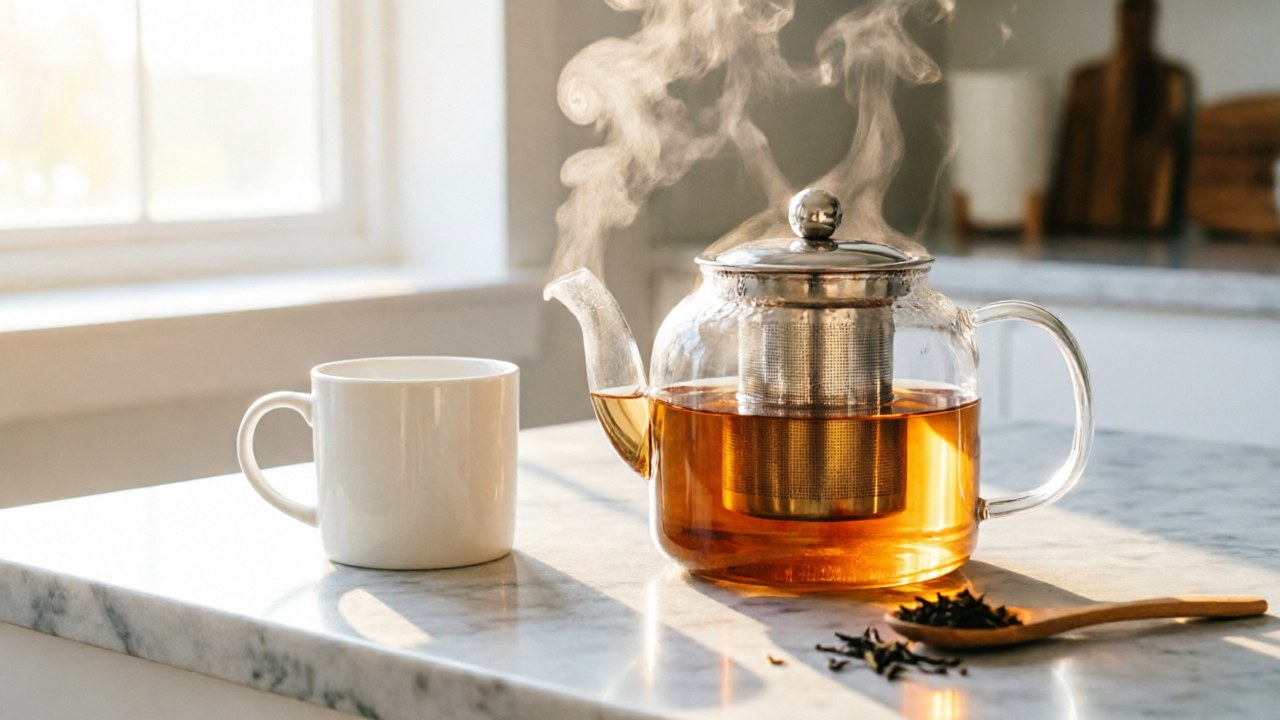
If you’ve ever brewed tea in a teapot or mug — measured out some leaves, poured hot water, waited a few minutes — you’ve already done western steeping. It’s the method most tea drinkers know, even if they’ve never heard the name. This guide covers the ratio, timing, vessel choice, and common mistakes so your daily cup tastes the way it should.
What Is Western Steeping?
Western steeping uses a larger volume of water, a longer steep time (2-5 minutes), and fewer infusions (usually 1-3) compared to gongfu brewing. The leaf-to-water ratio is much lower — about 1g of tea per 100ml of water, versus gongfu’s 5g per 100ml [1].
The name comes from the brewing tradition most westerners already practice: a teapot that serves 2-4 cups, a single long steep, and tea you drink from a mug. There’s no gaiwan, no fairness pitcher, no 15-second pours. You measure, pour, wait, and pour again.
This simplicity isn’t a compromise — it’s a different intention. Western steeping produces a single, balanced cup that’s ready in minutes. The method works across all tea types — black, green, oolong, white, and pu-erh — and it scales easily from one mug to a four-cup pot. For a deeper look at how the two methods compare, see our gongfu vs western brewing comparison.
The Core Ratio and Parameters
Three numbers define western steeping:
Leaf-to-water ratio: Start with 1g of loose-leaf tea per 100ml of water [1]. For a standard 300ml mug, that’s roughly 3g — about one teaspoon for dense teas like black or oolong, two teaspoons for fluffy white tea. See our leaf-to-water ratio guide for weight-by-variety specifics.
Steep time by tea type:
| Tea type | First steep | Second steep |
|---|---|---|
| Green | 2-3 min | +1 min |
| Black | 3-4 min | +1 min |
| Oolong | 3-4 min | +1 min |
| White | 3-5 min | +1 min |
| Pu-erh | 3-5 min | +1 min |
[2]
Water temperature: Green and white teas need cooler water (70-80°C), while black, oolong, and pu-erh can handle near-boiling (85-100°C) [3]. Our water temperature guide has the full chart with °C and °F conversions.
Getting the temperature right is where most beginners stumble. A variable-temperature kettle like the Cuisinart CPK-17 takes the guesswork out — its six presets cover every tea type from delicate green to robust pu-erh at $89.95.
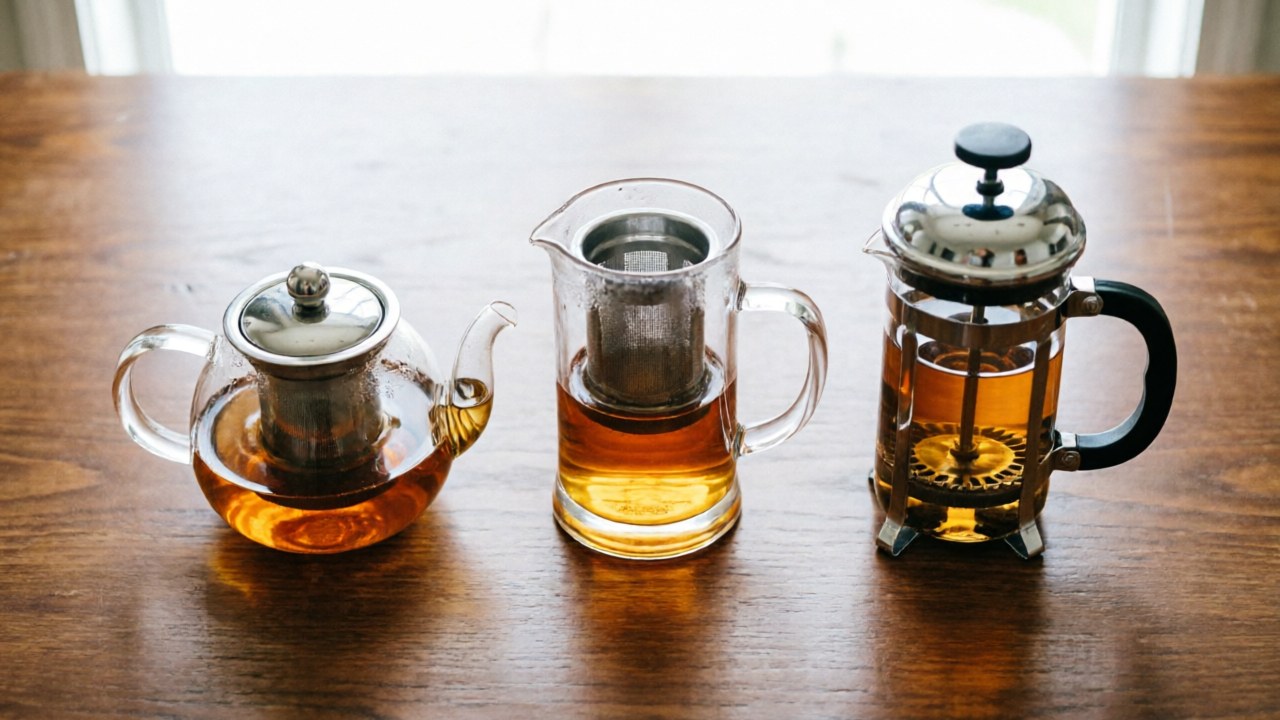
Choose Your Vessel — Teapot, Mug, or French Press
The vessel you pick shapes the brew. Here’s how to match your container to your routine:
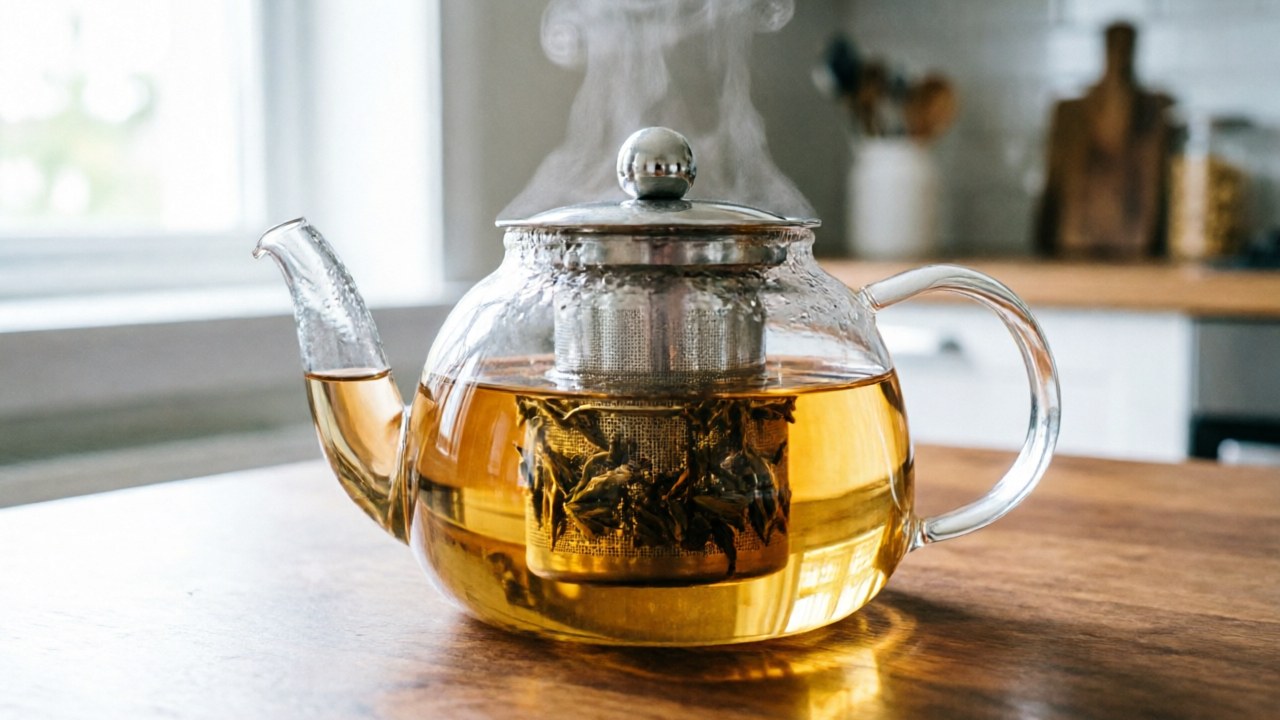
Glass teapot with infuser (500-1000ml): Best for serving 2-4 people or brewing multiple cups at once. Glass lets you watch leaves expand, which matters more than you’d think — rolled oolongs can triple in size, and seeing that tells you the steep is working. The HIWARE 1000ml Glass Teapot ($22.99) is stovetop-safe with a stainless steel infuser basket — a solid all-purpose pick.
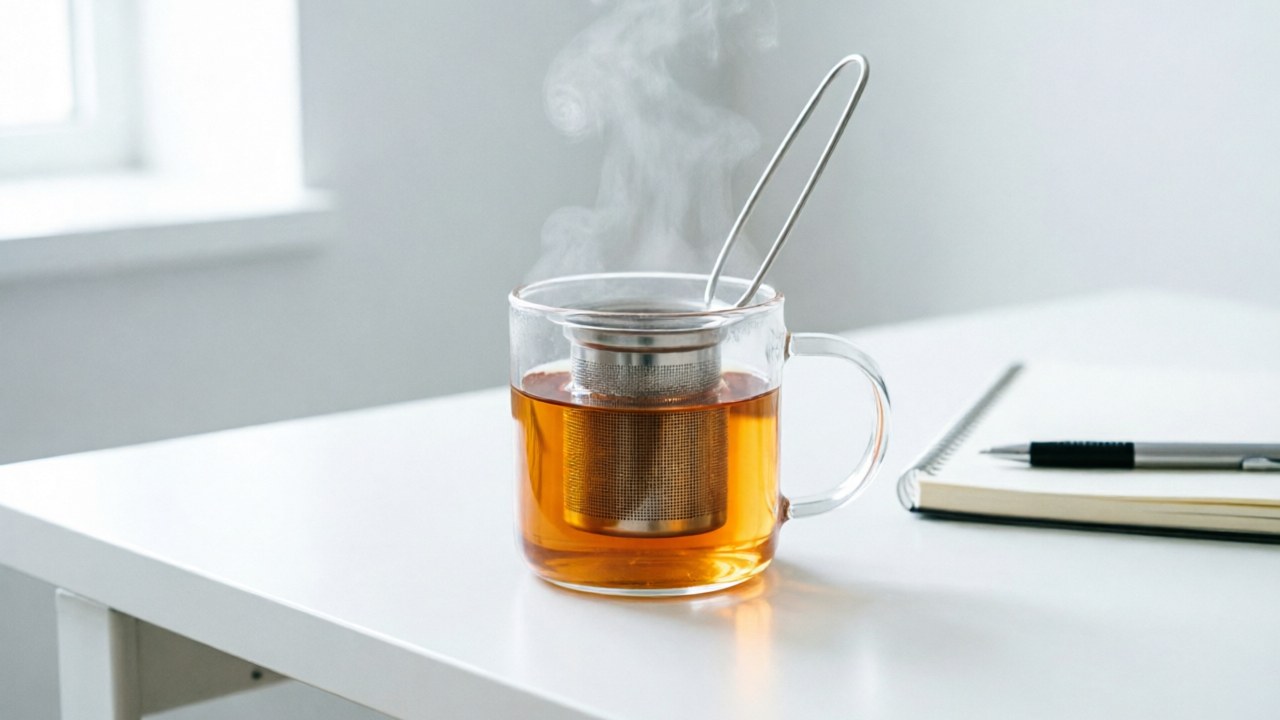
Steeping mug with built-in infuser (300-500ml): For solo drinking, office desks, and minimal cleanup. You fill, steep, pull the basket, and drink from the same vessel. The ecooe 16.9 oz Glass Tea Mug ($10.99) is the budget option; the AmorArc Porcelain Tea Mug ($17.95) adds porcelain’s better heat retention and a tea-bag holder.
French press: Already in most kitchens, and it works — but the mesh screen lets fine particles through, and the metal piston can over-extract if you don’t pour immediately. Fine for black and herbal teas; less ideal for delicate greens. If you use a French press regularly for tea, pour all the liquid out right after the steep timer goes off.
Basic teapot without infuser: Use a separate strainer when pouring. This gives the leaves maximum room to expand, which rolled oolongs and large-leaf blacks appreciate.
Step-by-Step Western Steeping Method
Five steps. Once you’ve done it a few times, the whole process takes under five minutes.
1. Heat water to the right temperature
Don’t just boil everything. Green tea at 100°C will taste flat and bitter. Check the steeping time reference for combined time-and-temp guidance by variety.
2. Measure your leaf
Weigh 1g per 100ml of water [1]. For a 300ml mug, that’s 3g. No scale? Use a teaspoon — level for black/oolong, slightly rounded for green, generously rounded for white (the leaves are bulky but light). The leaf-to-water ratio guide covers volume conversions for every tea type.
3. Place the leaf in your infuser or teapot
If using a teapot with a basket infuser, drop the leaves directly in. For a mug, use a fine-mesh infuser like the Yoassi Extra Fine Strainer ($8.99) — its large basket gives leaves room to expand, and the fine mesh catches even rooibos particles.
4. Pour and steep
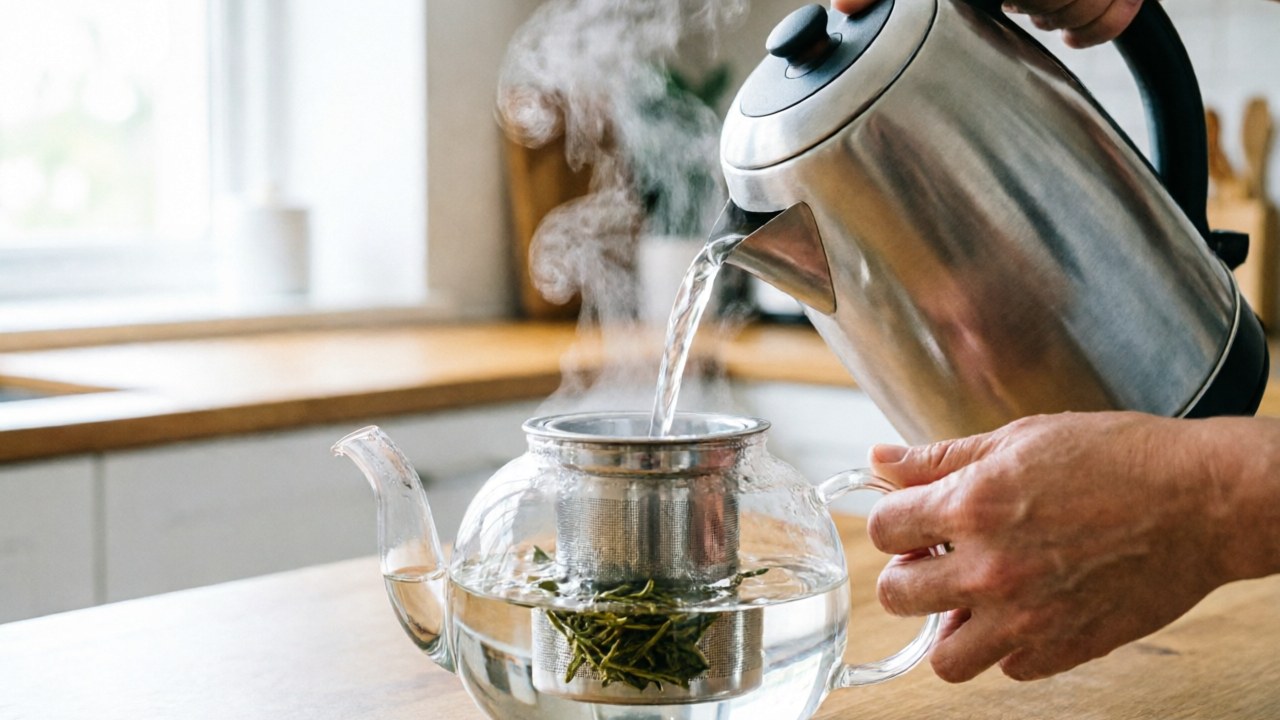
Pour water over the leaves and start a timer. For green: 2-3 minutes. Black: 3-4 minutes. White: 3-5 minutes. Oolong: 3-4 minutes. Pu-erh: 3-5 minutes [2]. Remove the leaves when the timer goes off — don’t let them sit.
5. Serve, and optionally re-steep
Pour into your mug. If you want a second cup, put the leaves back and add 1 minute to the steep time [4]. Most teas give you 1-2 good re-steeps in the western method before fading. This falls under the Special Cups brewing hub for more technique guides.
When to Choose Western Over Gongfu
Both methods have their place. Here’s a quick decision guide:
Choose western steeping when:
- You’re brewing for the morning rush or a busy workday
- You’re serving guests who want a regular cup of tea, not a tasting session
- You’re drinking black, herbal, or blended teas
- You want one consistent cup, not multiple evolving infusions
Choose gongfu when:
- You have a premium oolong or pu-erh worth extracting over 8+ infusions
- You want to taste how the flavor changes steep by steep
- It’s a weekend and you have time to sit with the process
The full comparison lives in our gongfu vs western brewing guide. If you’re new to both methods, start with How to Brew Tea: The First Cup for the universal foundation.
Adapting Western Steeping for Daily Routine
Western steeping fits into a busy life better than any other method. Here’s how to make it part of yours:
Morning: Pre-measure your leaves into the infuser the night before. When you wake up, fill the Hamilton Beach 1.7L Kettle ($49.99), hit the switch, and your water’s ready before your toast pops.
Office desk: A steeping mug with infuser is all you need. Fill the ecooe Glass Tea Mug from the office hot water dispenser, steep at your desk, pull the basket, and drink. Total cleanup: rinse the infuser.
Meal pairing: Western-brewed tea sits naturally alongside food. A strong black tea with breakfast, a lighter oolong after lunch, chamomile or pu-erh after dinner — the method stays the same, only the leaf changes. The larger water volume and longer steep time actually complement food better than gongfu’s concentrated cups, which can overpower subtle flavors.
Common Western Steeping Mistakes
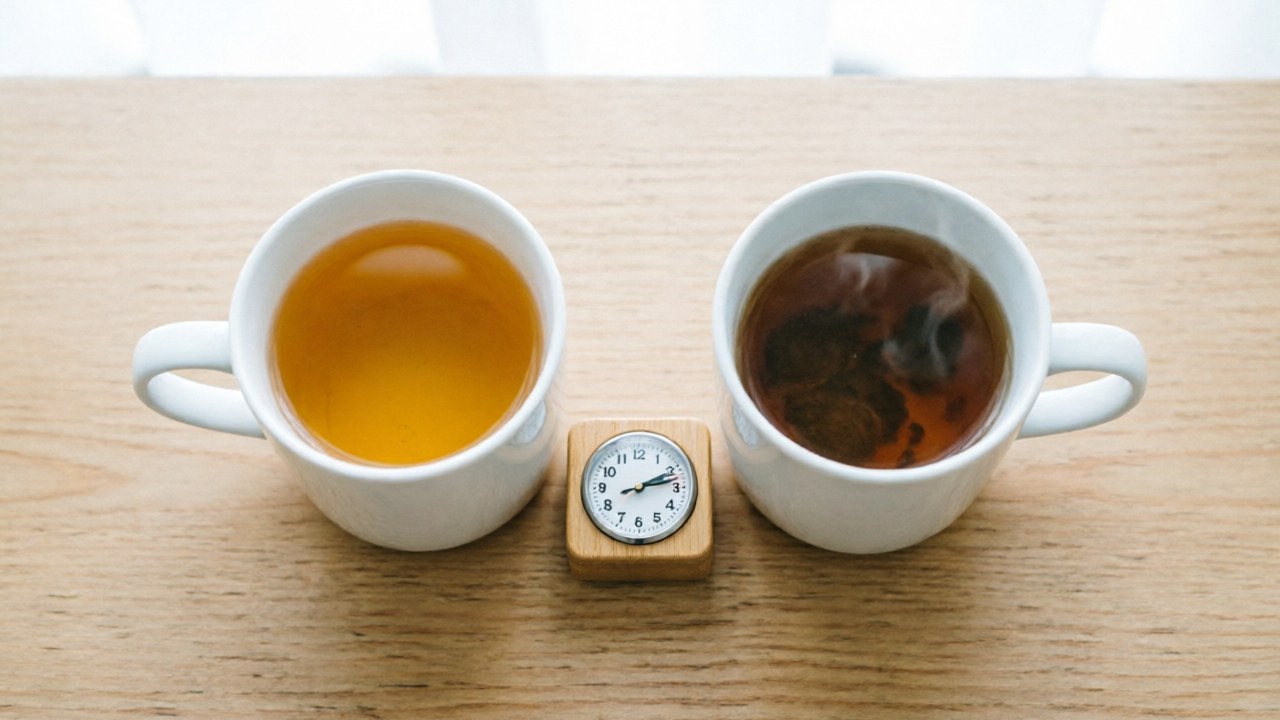
Five errors that wreck an otherwise straightforward brew:
-
Water too hot for green or white tea. Boiling water on delicate leaves extracts bitter tannins immediately. Use a variable-temp kettle or let boiled water cool for 2 minutes before pouring [3].
-
Leaving leaves in too long. Western steeping is a timed steep, not a “leave the bag in” situation. Set a timer. Remove leaves at the mark.
-
Using too much leaf. More isn’t stronger — it’s bitter. Start at 1g/100ml and adjust up in small increments [1].
-
Reusing leaves too many times. Western method extracts more per steep than gongfu, so leaves deplete faster. Cap at 1-2 re-steeps [4].
-
Wrong vessel for the leaf. Rolled oolongs need room to expand — a tiny infuser ball compresses them and blocks water flow. Use a spacious basket infuser or an open teapot.
Recommended Gear for Western Steeping
You don’t need much. Here’s the short list:
| Item | Pick | Price |
|---|---|---|
| Teapot (2-4 cups) | HIWARE 1000ml Glass Teapot | $22.99 |
| Teapot (solo) | PARACITY 550ml Glass Teapot | $9.99 |
| Variable-temp kettle | Chefman Electric Kettle | $29.99 |
| Fine-mesh strainer | Yoassi Tea Infuser | $8.99 |
That’s it. A kettle, a vessel with an infuser, and a way to strain. Everything else is optional.
The Mind of Western Steeping
Western steeping does not demand ritual or precision instruments. It asks for one honest measurement, one patient timer, and the willingness to stop before the cup turns bitter. A glass pot, a measured spoon, three minutes of attention — this is the everyday practice that turns a hurried morning into a deliberate pause, even when there is no time for ceremony.
References
[1] Western steeping leaf-to-water ratio of ~1g per 100ml — specialty tea industry standard. Sources: Harney & Sons brewing guide; Adagio Teas steeping instructions; Rishi Tea preparation guidelines.
[2] Western steeping times by tea type — compiled from specialty tea retailer brewing guides (Adagio Teas, Harney & Sons, Rishi Tea, Mei Leaf).
[3] Water temperature ranges by tea type — specialty tea industry consensus. Sources: Specialty Tea Institute brewing chart; Adagio Teas temperature guide.
[4] Western steeping yields 1-3 infusions vs gongfu’s 6-15+ — documented in gongfu vs western brewing comparison literature. Source: “The Story of Tea” by Mary Lou Heiss (2007).