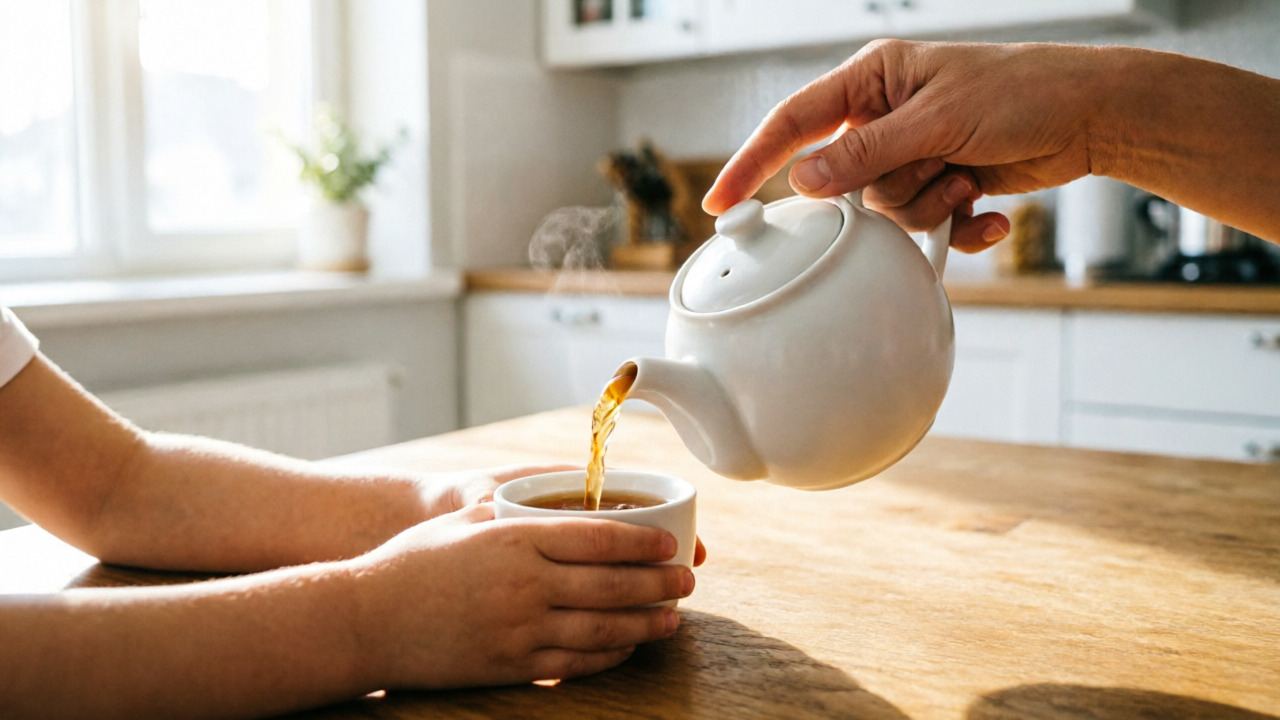
Not a pretend tea party, not a medical lecture — a real brewing session where kids participate hands-on with caffeine-free leaves, visual tools, and sensory play. It’s part of the Tea-for-the-moment Occasions lane, alongside tea for gatherings and business hosting.
Who Is at the Table — Ages, Roles, and Expectations
Before you pick leaves or heat water, think about who’s sitting with you. A toddler and a ten-year-old bring very different attention spans and motor skills to the table. Match the task to the kid, not the other way around.
Toddlers (2-4): Watch and Pour
Toddlers don’t brew — they observe and mimic. Give them a small pitcher of already-cooled tea and let them pour into their own cup. The act of pouring is the lesson. They’ll spill; that’s fine. Use an unbreakable cup and keep all hot surfaces well out of reach.
Young Kids (5-8): Measure and Time
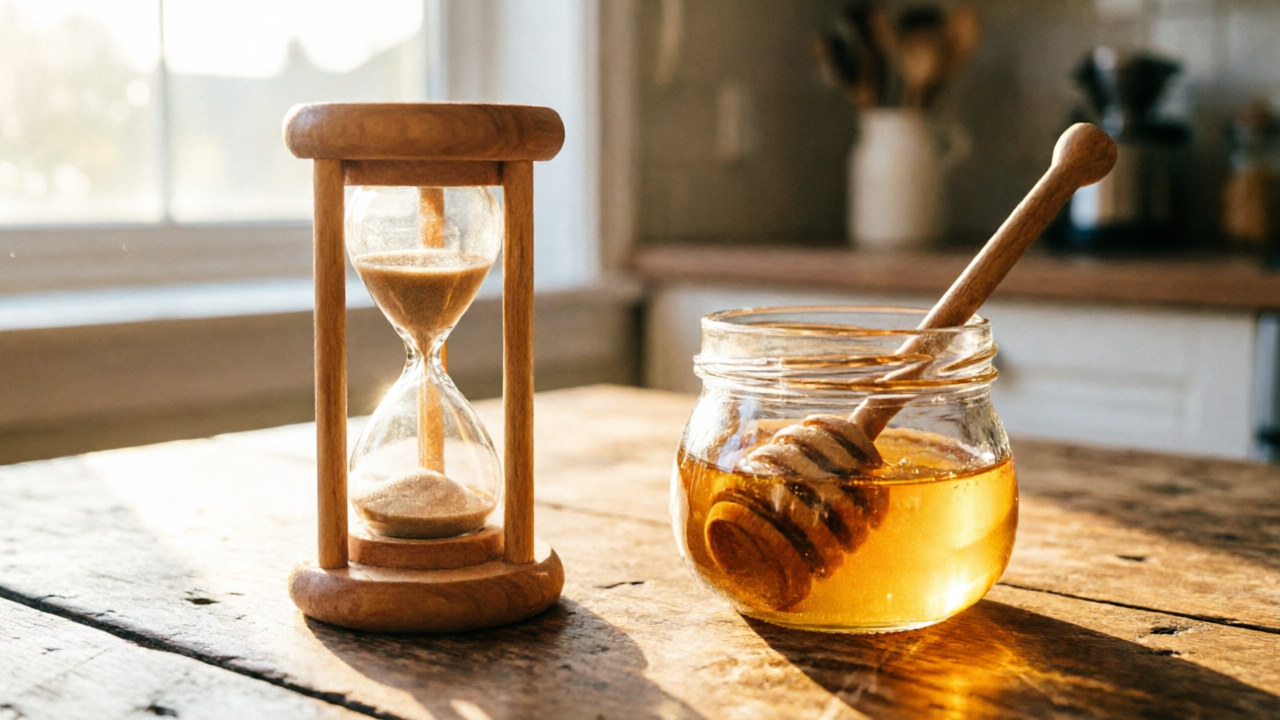
This is the sweet spot for involvement. Five-to-eight-year-olds can scoop loose leaves (use a pre-measured spoon so the amount is controlled), turn over a sand timer, and announce when it’s done. A 3-minute sand timer turns the wait into a visual game — kids actually watch the sand instead of asking “is it ready yet?” every thirty seconds.
Let them add honey with a dipper, too. A glass honey pot with dipper gives them a tactile role in finishing their own cup — and you control how much goes in by pre-filling the dipper.
Older Kids (9-12): Lead a Round
By nine or ten, kids can run a full round themselves: measure leaves, set the water temperature, time the steep, pour for others. This is where tea shifts from activity to skill. Give them a leaf-to-water ratio guide and let them calculate the amount. You step back to observer.
Leaf Choices for Young Palates — The Caffeine-Free Ladder
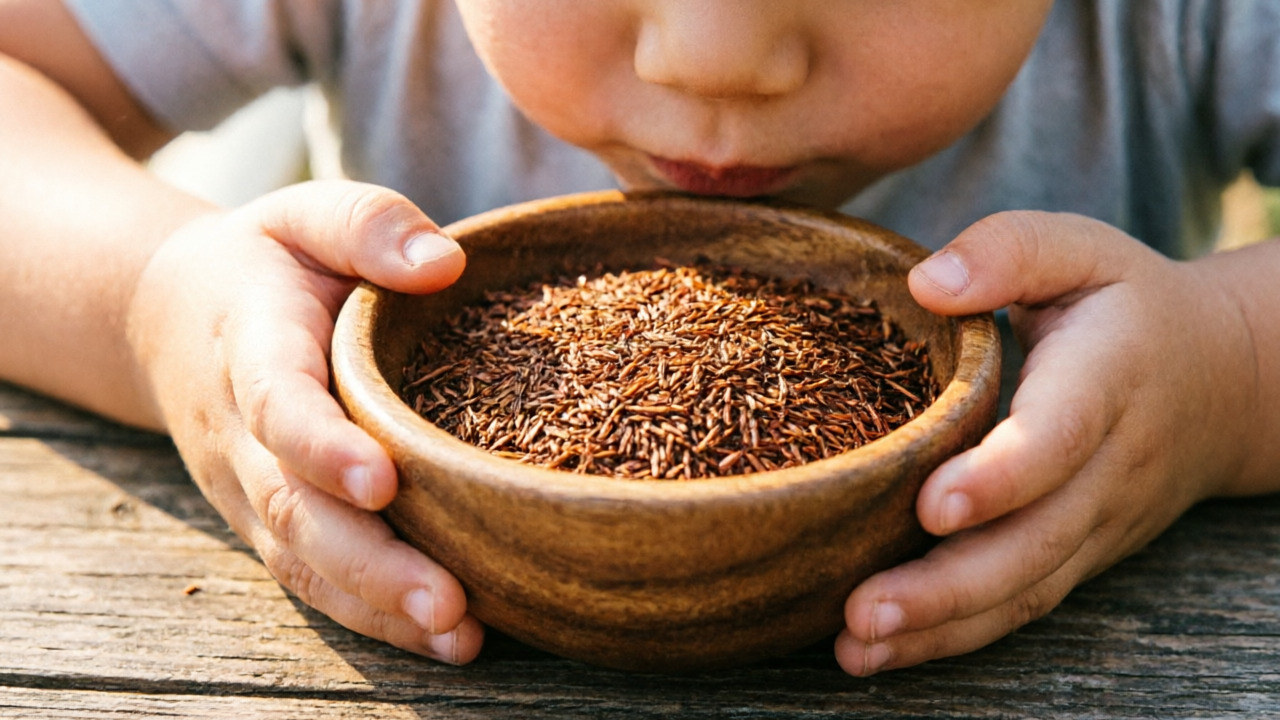
The most important decision: start caffeine-free. Rooibos, chamomile, fruit blends — all naturally free of caffeine and all gentle on young systems. You can see the full caffeine breakdown by tea type in our caffeine reference, but here’s the practical ladder.
Step 1 — Rooibos (Zero Caffeine, Sweet Naturally)
Rooibos is the best starting leaf for kids. It’s naturally sweet, brews a warm reddish-brown color that’s visually engaging, and has zero caffeine because it comes from a different plant entirely (Aspalathus linearis, not Camellia sinensis) [1]. A box of Twinings Pure Rooibos gives you 20 teabags for under $7 — a low-cost entry point. For families who brew regularly, the Cederberg 100-bag bulk pack drops the per-cup cost significantly.
Step 2 — Chamomile and Fruit Blends
Once rooibos feels familiar, branch into chamomile (naturally mellow and floral) and fruit-forward blends. A Celestial Seasonings Fruit Sampler gives you 18 bags across several fruit flavors for about $6 — great for finding what your kid actually likes without buying full tins. For something designed specifically for young palates, Bellasia Berry Bliss blends real fruit pieces into a kid-specific herbal mix.
Step 3 — Very Light Green (Ages 9+, Trace Caffeine Only)
For older kids (9-12), a very light green tea — half the normal leaf amount, extra water — introduces the real tea plant with minimal caffeine. This is a bridge step, not a daily habit. Keep the caffeine context in mind and treat it as an occasional tasting, not a regular cup.
The Cold-Brew-First Method — Zero Burn Risk
The safest way to brew with children is to skip hot water entirely. Cold brewing eliminates burn risk and produces a smoother, sweeter cup that suits young palates better than hot-steeped tea [2].
Here’s the process: add tea leaves or bags to cold water in a glass container, refrigerate for 6-8 hours, strain, and serve. No kettle, no steam, no anxiety. Kids can participate in every step — measuring leaves, pouring cold water, watching the color develop over hours instead of minutes.
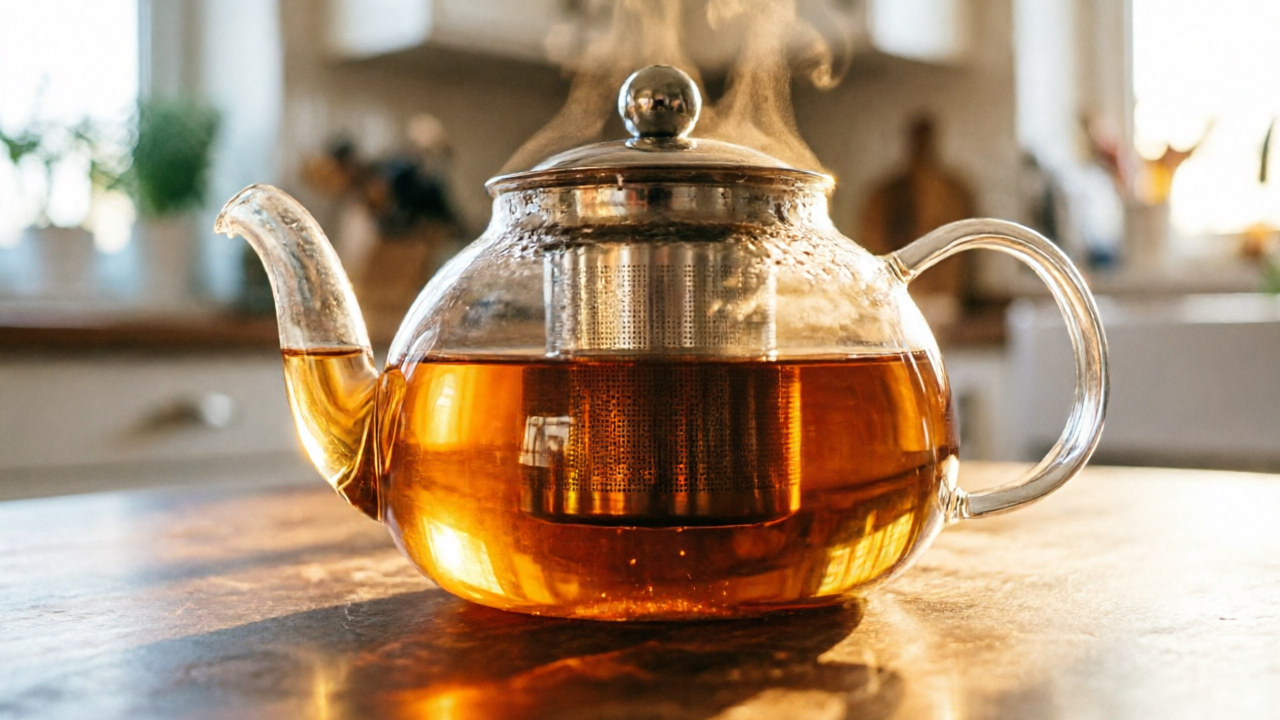
A HIWARE 1000ml glass teapot works perfectly for this — the removable infuser basket keeps leaves contained, and the transparent glass lets kids watch the color deepen hour by hour in the fridge. For the full cold-brew technique with parameters for every tea type, see our cold-brew tea guide.
A Sensory Brewing Sequence — Smell, Pour, Watch, Taste
When you do brew hot with kids (ages 5+), break the process into four sensory stages. Each stage is a mini-activity, which keeps attention longer than “pour, wait, drink.”
Smell the Dry Leaves
Before any water touches the leaves, put a small pinch in each kid’s palm. Ask: what does it remind you of? Rooibos smells earthy and slightly sweet. Fruit blends smell like the fruits they contain. This step turns a tea bag from a commodity into a sensory object.
Pour Together (Kid-Safe Temperature)
Use a temperature-control kettle set to 80°C (175°F) — hot enough to brew, not hot enough to cause a serious burn on contact. An adult handles the pour for kids under 8. Kids 8+ can pour with supervision if the pot is small and the handle is cool-touch. Never fill a cup to the brim; leave room so a tip doesn’t mean a full spill.
Watch the Color Change
This is where the glass teapot earns its place. Kids watch rooibos turn water from clear to deep amber over 3-5 minutes. Set the sand timer and ask them to call out when the color “looks right.” It’s a visual timer and a taste lesson combined.
Taste and Describe
Don’t say “drink it.” Say “take a small sip — what’s the first thing you taste?” Give them three words to choose from: sweet, fruity, earthy. This builds vocabulary without pressure. If they don’t like it, that’s data — try a different leaf next time, not a longer lecture.
Hosting Kids and Adults in One Session
You don’t need two separate tea times. One table, one kettle, two teapots — a caffeine-free herbal for the kids and a real tea for the adults. A Twinings Herbal Variety Pack with 48 bags across 12 flavors gives kids their own “tea menu” to choose from while adults brew from the first cup system.
The sensory steps work for both groups at different depths. A five-year-old watches the color change and picks a word. An adult notices the difference between first and second steep. Same teapot, same table, different level of engagement — but shared time.
Common Mistakes When Brewing with Children
A few pitfalls worth avoiding:
-
Using caffeinated tea for young children — Stick to rooibos and herbal blends for kids under 9. Even “lightly caffeinated” green tea adds up in a small body. The caffeine by tea type reference has the full breakdown [1].
-
Boiling water in front of toddlers — A rolling boil is 100°C. Use a temperature-control kettle and pour at a distance, or go cold-brew and skip the risk entirely.
-
Skipping the sensory steps — Rushing straight to “drink it” loses the whole point. The smelling, watching, and describing are what make it memorable.
-
Letting kids add unlimited honey — Pre-fill the dipper from the honey pot and hand it over. One dipper-full per cup. Sweet enough without turning tea into syrup.
The Mind of Sharing Tea with Children
Brewing tea with children is less about the drink and more about the doing — small hands measuring leaves, eyes watching color bloom through glass, noses close to dry rooibos. The cup they remember is the one they helped make. Start with caffeine-free leaves, keep the kettle out of reach, and let curiosity steep alongside the tea. What begins as play becomes a ritual.
References
[1] Wikipedia contributors. “Rooibos.” Wikipedia. https://en.wikipedia.org/wiki/Rooibos
[2] Wikipedia contributors. “Steeping.” Wikipedia. https://en.wikipedia.org/wiki/Steeping