What Cold Brew Tea Is (and the Japanese Mizudashi Tradition)
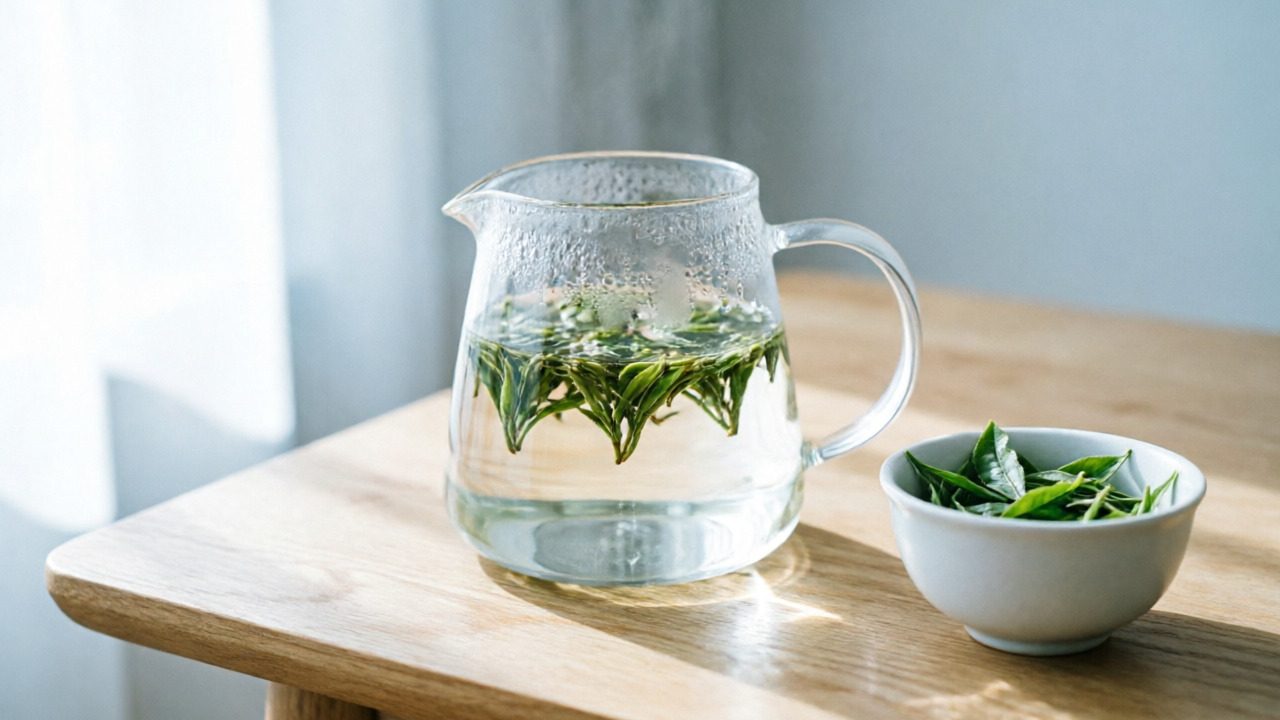
Cold brewing isn’t a new trend — it has roots in Japanese mizudashi (水出し), a deliberate cold-water extraction method that’s been around long before the TikTok cold brew wave [1]. The idea is simple: steep tea leaves in cold water for several hours instead of forcing flavor out with heat.
The chemistry explains why cold brew tastes so different. Hot water aggressively extracts catechins — the compounds that give tea its bitterness and astringency. Cold water is more selective: it pulls L-theanine (the amino acid responsible for umami and that calm, focused feeling) while mostly leaving the bitter catechins behind [1]. That’s why cold brew tea is smoother, sweeter, and almost never bitter, even when you use the same leaves that taste sharp when brewed hot.
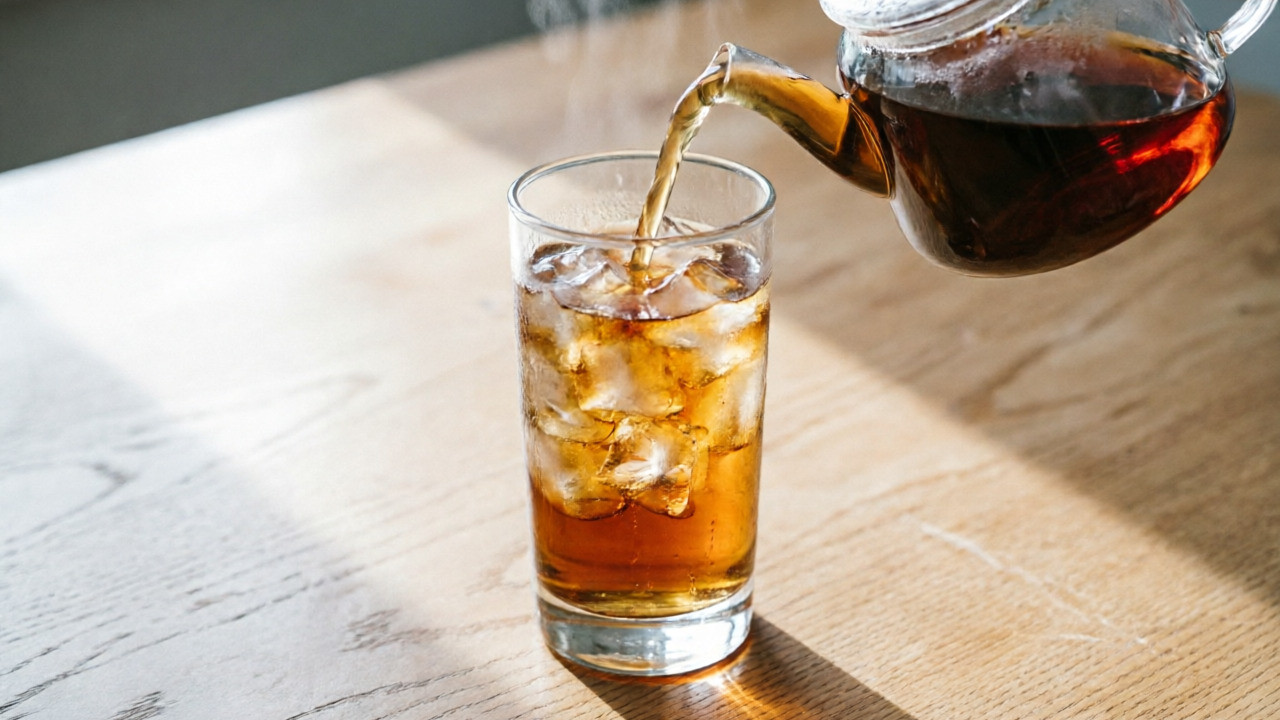
This isn’t the same as iced tea. Iced tea is hot-brewed tea that gets poured over ice or chilled — it still carries the full bitterness of hot extraction. Cold brew is a different method entirely, and the flavor difference is noticeable side by side. If you’re already familiar with our how to brew tea — first cup system, think of cold brew as a separate branch: same leaves, completely different result.
What You’ll Need — Equipment for Every Level
You don’t need special gear to start, but the right vessel makes it easier. Here’s the progression from zero-cost to dedicated setup.
Beginner — Mason Jar + Basket Infuser
A QHH Mason Jar Pitcher with a stainless steel filter costs under $20 and works perfectly for your first cold brew. Add a basket infuser (any mesh type will do) and you’re set. The only catch: make sure the infuser has enough room for the leaves to expand — cold brew needs more leaf than hot brew, and packed leaves don’t steep evenly.
Dedicated — Cold Brew Tea Maker
A purpose-built cold brew pitcher like the Hario Mizudashi Cold Brew Tea Maker (1200ml, fine mesh, easy-pour spout) is the sweet spot for most people. It’s the top choice for a reason — the mesh is fine enough to strain even small tea particles, the carafe fits in most fridge doors, and cleanup takes 30 seconds. For larger batches, the Takeya Deluxe Cold Brew Maker (2 quart) handles weekly meal-prep quantities.
Advanced — Cold Brew Bottle or French Press
The Hario Cold Brew Tea Wine Bottle (750ml) is a compact option for single servings — it fits neatly in the fridge door and doubles as serving vessel. Some people also use a French press for cold brew: add leaves and water, steep, then press the plunger. It works, but the mesh on most French presses is coarser than a dedicated cold brew filter, so you might get some sediment.
Need a full equipment rundown? Check the beginner tea starter kit for more on choosing the right vessels.
The Tea-Type × Ratio × Time Matrix
Cold brew isn’t one-size-fits-all. Different teas need different amounts of leaf and different steep times. Here’s the reference table:
| Tea Type | Leaf:Water (g/ml) | Fridge Time | Room Temp Time | Flavor Profile |
|---|---|---|---|---|
| Green (sencha, longjing) | 1:100 (10g/L) | 4-6 hours | 2-3 hours | Grassy, sweet, delicate |
| White (silver needle) | 1:100 (10g/L) | 6-8 hours | 3-4 hours | Floral, honeyed, light |
| Oolong (tieguanyin) | 1:80 (12g/L) | 8-10 hours | 4-5 hours | Floral, creamy, stone fruit |
| Black (keemun, ceylon) | 1:60 (15g/L) | 10-12 hours | 5-6 hours | Malty, bold, chocolate |
| Pu-erh (shou) | 1:50 (18g/L) | 12-14 hours | 6-7 hours | Earthy, smooth, deep |
| Herbal/tisane | 1:60 (15g/L) | 8-10 hours | 4-5 hours | Varies by blend |
| Matcha | 1:200 (5g/L) | Shake cold, no steep | — | Creamy, umami, vibrant |
A few things to note. Room temperature steeping is faster but less forgiving — once it goes past the sweet spot, it can turn sour within an hour. Fridge steeping takes longer but produces a cleaner, more consistent result. If you’re new to cold brew, start with fridge time and adjust from there.
Not sure which tea to try first? Grab a Tiesta Iced Tea Sampler with 8 different pouches to test each variety before committing to a full bag.
Step-by-Step — Two Cold Brew Methods
Method A — The Fridge Cold Brew (Set & Forget)
This is the method most people use, and it’s the easiest.
- Add leaf + water to your vessel using the ratio table above.
- Seal and refrigerate for the recommended time (4-6h for green, 10-12h for black).
- Strain or remove the infuser basket. Don’t let leaves sit in the liquid past the steep time.
- Pour over ice or serve straight from the fridge.
- Store for 3-5 days in a sealed container.
A dedicated cold brew maker like the Hario Mizudashi makes steps 2-3 trivial — the mesh filter is built in, so you just lift it out when the time is up.
Method B — Room Temperature Cold Brew (Faster)
Same ratios, different timeline.
- Use the same leaf-to-water ratio as Method A.
- Leave on the counter for the shorter room temp times in the table.
- Set a timer — room temp goes from sweet to sour faster than you expect.
- Strain immediately and refrigerate.
This method works best for green and white teas, which need less time anyway. Don’t try it with pu-erh or black tea at room temperature unless you’re okay with a very bold, almost intense brew.
Cold Brew Concentrate
Double the leaf (2× ratio), steep as usual, then dilute 1:1 with water or milk when serving. Concentrate stores for 5-7 days in the fridge — it’s the most efficient way to have cold brew ready at all times.
If bagged tea is your entry point, the Lipton Cold Brew Bags are designed for this method. Drop one in a pitcher of cold water, refrigerate 5-10 minutes per the package, and you’re done.
Best Teas for Cold Brew — A Flavor Guide
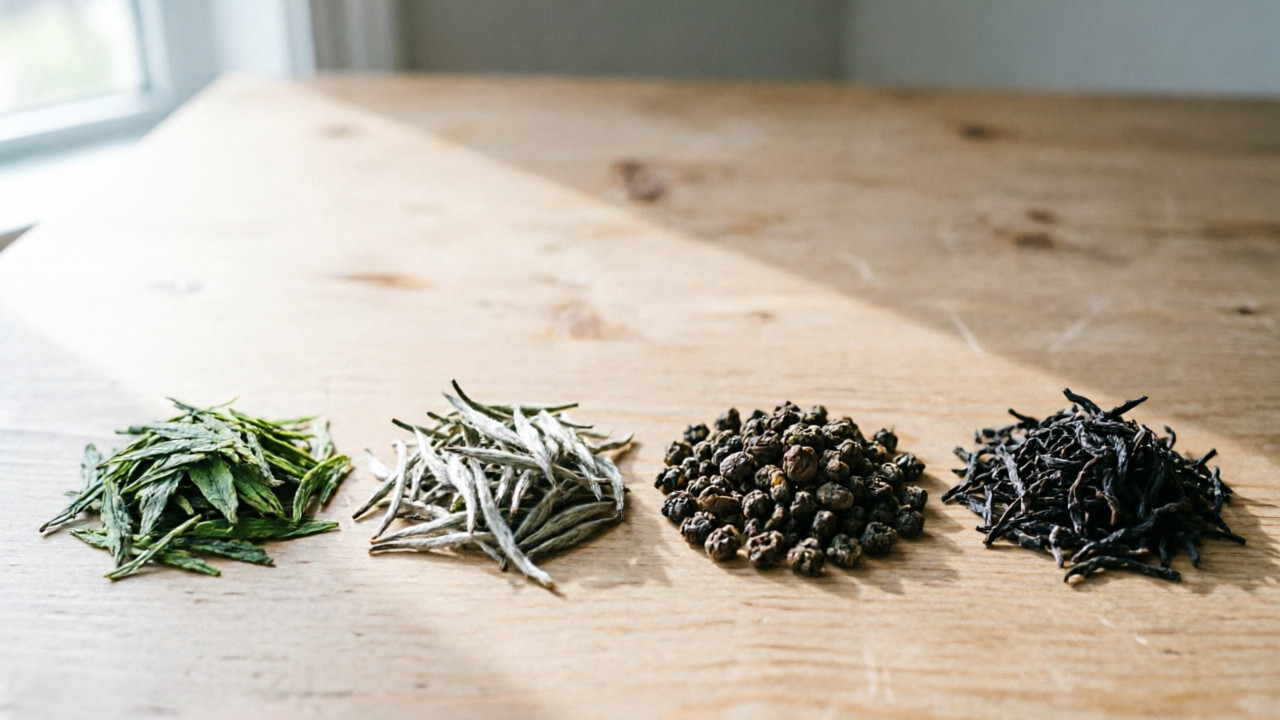
Not all teas shine in cold water, but most do — you just need to know the flavor profile you’re after.
Floral & Fruity
Jasmine green, tieguanyin oolong, and peach-infused blacks produce light, aromatic cold brews. The floral notes come through more clearly in cold water because there’s no heat to overwhelm them. These are the teas that taste like iced tea should taste.
Grassy & Sweet
Sencha, longjing (dragon well), and silver needle white tea are the classic mizudashi choices — the ones Japanese cold brew tradition was built around. They’re delicate, refreshing, and taste noticeably sweeter than their hot-brewed counterparts. Our green tea brewing guide covers sencha in more detail, and the black tea brewing guide has notes on the bolder side.
Malty & Bold
Keemun, Ceylon, and Assam hold up to milk and sweetener. If you’re the kind of person who likes iced tea with a splash of milk, these are your picks. They also work well as cold brew concentrate for mixing.
Smooth & Earthy
Shou pu-erh and ripe oolongs produce a deep, comforting cold brew — almost like iced coffee but without the acidity. These need the longest steep times (12-14 hours in the fridge) but the result is worth the wait.
What to Skip
Heavily roasted teas (hojicha) and some smoky oolongs lose their character in cold water. The roast notes that make them interesting in hot brew don’t extract well at low temperatures, leaving a flat, hollow flavor.
Don’t want to guess? The Tiesta Variety Pack (20 servings) includes multiple varieties so you can explore without buying five separate bags.
Common Mistakes
Cold brew is forgiving, but a few things can go wrong:
- Using hot-brew ratios. Cold brew needs 1.5-2× the leaf you’d use for hot brewing. If your cold brew tastes weak, use more leaf next time.
- Over-steeping room temp. Six hours at room temperature for white tea can turn sour fast. Set a timer — don’t rely on memory.
- Using low-quality tea. Cold brew doesn’t hide flaws. Cheap tea tastes cheap when cold-steeped. Use decent loose-leaf or the cold-brew-specific bags we’ve linked above.
- Not straining properly. Fine particles continue steeping even after you remove the leaves. Strain through a fine mesh or use a built-in filter like the Hario Mizudashi.
- Skipping the hot rinse for some teas. Some oolongs and pu-erhs benefit from a quick 10-second hot rinse before cold brewing — it opens the leaves and lets cold water extract more evenly.
Recommended Gear & Tea Picks
Here’s a quick recap of the best options at each level:
- Best Overall: Hario Mizudashi 1200ml — dedicated cold brew maker, fine mesh, easy pour ($20.95)
- Best Budget: QHH Mason Jar Pitcher — under $20 starter with built-in filter
- Best Variety: Tiesta Iced Tea Sampler (8 pouches) — try before committing to bulk
- Best Bags: Twinings Peach Cold Brew or Lipton Cold Brew — zero cleanup, family-size options
Use the steeping time tool to calculate exact times for your specific tea and vessel size.
The Mind of Cold Brew
Cold brewing isn’t just about convenience. When you steep tea slowly in cool water, you’re practicing patience — letting flavor unfold on its own schedule, not forcing it with heat. The result is smoother, sweeter, and more forgiving than any hot-brew shortcut. Cover your vessel, wait a few hours, and let the water do the work. That’s the mind of cold brew.
References
[1] Cold Brew Extraction Chemistry — L-theanine vs catechin extraction rates at different temperatures. Low-temperature extraction favors L-theanine over catechins, producing a smoother, sweeter flavor profile. General principle from peer-reviewed tea chemistry.
[2] Japanese Mizudashi Tradition — Traditional Japanese cold-water extraction method (水出し / mizudashi). Cultural context for cold brew origins.
[3] Brewing Time & Ratio Reference — Tea-Type × Ratio × Time Matrix compiled from tea industry standards and specialty vendor cold brew guides. Cross-referenced from multiple sources including Japanese mizudashi practice.