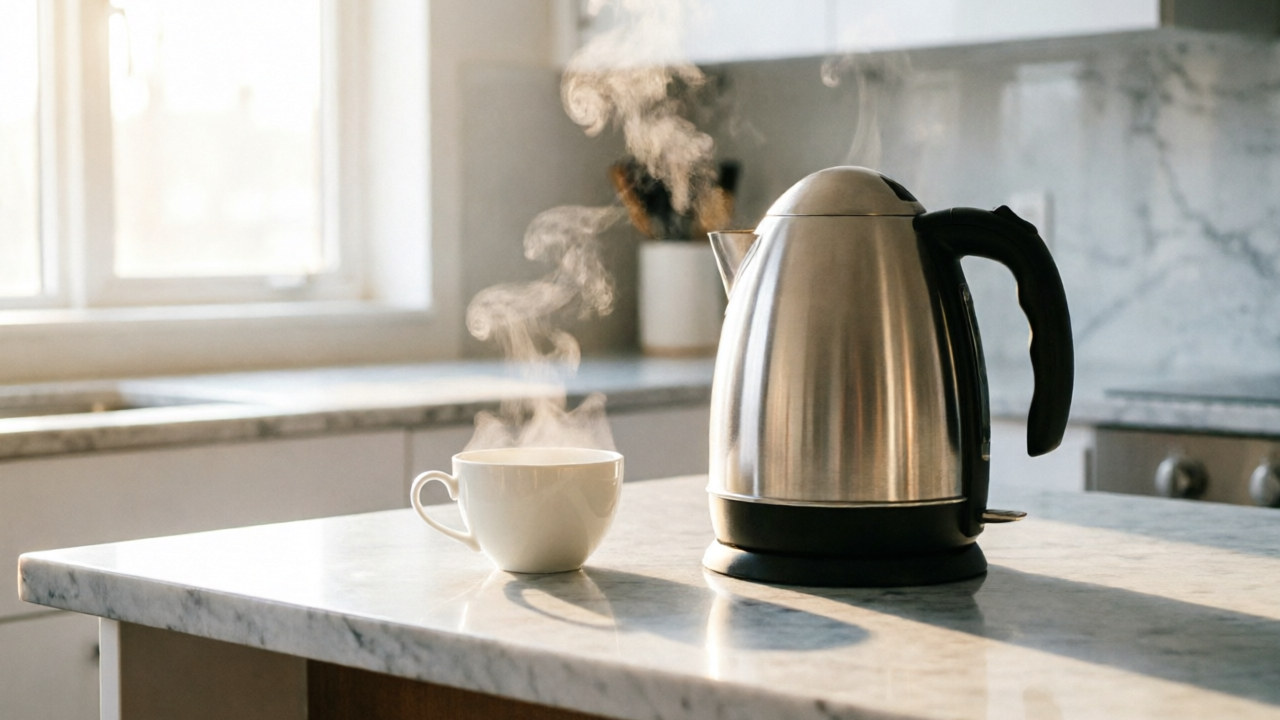
A tea kettle is your brewing partner for every session — yet with electric and stovetop options, variable temperature and basic models, gooseneck and standard spouts, and materials from stainless steel to cast iron, the choices can feel overwhelming. This guide breaks down each decision so you can pick the kettle that fits your tea, your setup, and your budget.
If you’re just starting out, the beginner’s starter kit has what you need, including a good first kettle. For experienced drinkers, the tasting-level setup assumes a gooseneck variable-temperature kettle as your daily tool.
Electric vs Stovetop — Choosing Your Heat Source
The first fork in the road is how you heat your water. Both options get the job done, but they suit different habits and kitchens.
Electric kettles — speed, precision, and convenience
Electric kettles boil water in 1–3 minutes, shut off automatically, and sit on a cordless base for easy pouring. Most models include multiple temperature presets — a feature that matters once you brew more than one type of tea.
If you make tea daily, brew different varieties, and want the same result every time, an electric kettle is your best starting point. The Cosori 1.7L Borosilicate Glass Kettle ($25.99) is a solid everyday option — no plastic water contact, clear glass body, and fast boil. For a step up with variable temperature, the Cuisinart 1.7L Glass Variable Temperature Kettle ($59.99) gives you a touchscreen and six presets.
Stovetop kettles — tradition, whistle, and no cord
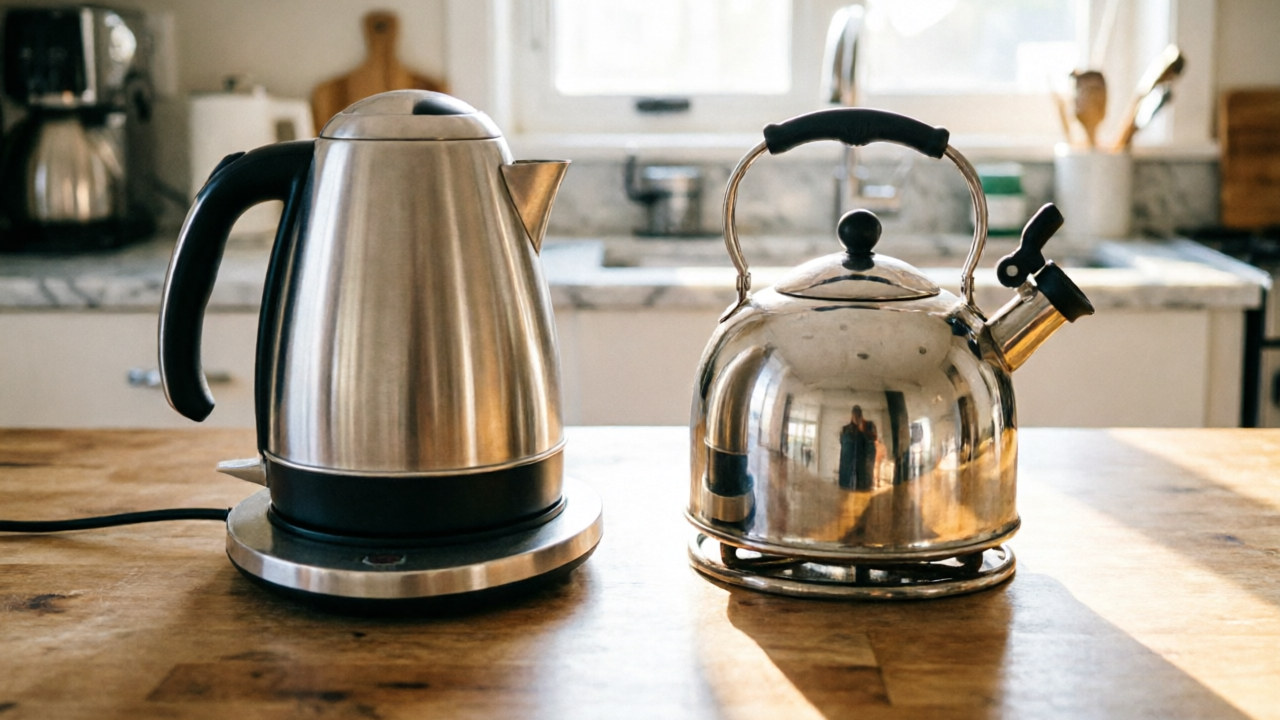
Stovetop kettles have no electronics, no cords, and nothing to break. They whistle when water hits a full boil, work on gas, electric, and induction cooktops, and can last decades. The trade-off? No temperature control — you’ll need to watch the boil and guess the cool-down.
For the classic whistling experience, the Primula Stewart Whistling Stovetop Kettle ($14.99) is a simple, durable stainless steel option that’s been a kitchen staple for years.
The short version: Electric for speed and precision. Stovetop for simplicity and longevity. If you’re renting with limited counter space, an electric kettle frees up a burner. If you already have a gas stove and prefer analog tools, a stovetop whistling kettle might feel more natural.
Temperature Control vs Standard Kettles — Why Degree Matters for Tea
Water temperature is the single most important variable in tea brewing. Boiling water (212°F) will burn delicate green tea leaves, while water that’s too cool won’t extract enough from pu-erh or black tea. Temperature control kettles solve this with presets. Standard kettles require technique.
Variable-temperature kettles — brew by tea type
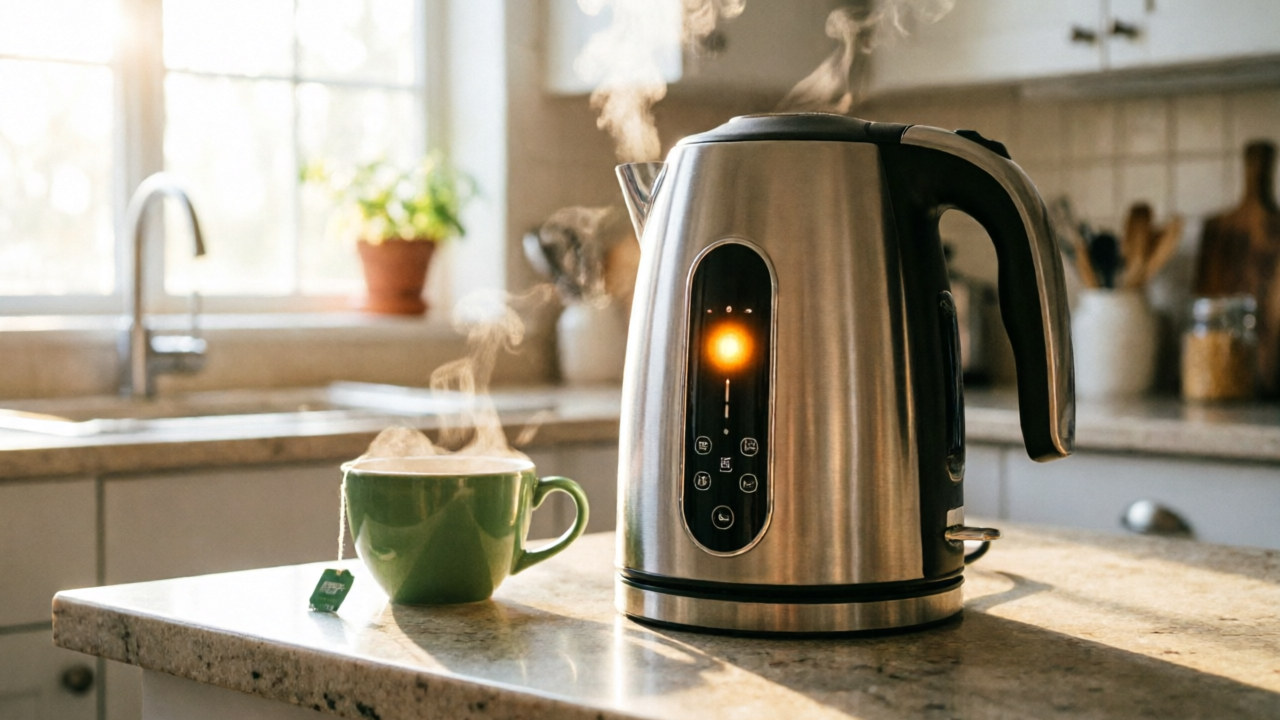
A variable-temperature kettle lets you set and hold specific temperatures: 175°F for green tea, 185°F for white, 195°F for oolong, and 212°F for black and pu-erh. Most models hold the temperature for 30–60 minutes, so you can rinse leaves and brew multiple steeps without reheating.
The Cosori Gooseneck Electric Kettle ($69.99) holds temperature within ±1°F and combines gooseneck precision with five presets — a strong choice if you brew gongfu. For a more affordable entry, the HIYAKOI Gooseneck Kettle ($39.99) offers ±1°F control with a 60-minute keep-warm function.
Standard kettles — just boil it
A standard kettle has one setting: boil. To brew green or white tea, let the kettle sit 1–2 minutes after boiling to bring the water down to around 175–185°F. It’s not exact, but it works — and many seasoned tea drinkers rely on this method with a simple Cosori 1.7L Glass Kettle ($25.99) or the Elite Gourmet 1.7L Digital Kettle ($34.99) with touchscreen and keep-warm.
Keep-warm — how long does your kettle hold temperature?
Most variable-temperature kettles hold for 30–60 minutes. Some premium models extend to 2 hours. For gongfu sessions where you rinse, steep, and resteep over 20–30 minutes, even a 30-minute hold is plenty. For Western-style sessions where you fill a mug and sip for an hour, longer hold times matter. Check the specification before you buy — and remember that a kettle with no keep-warm simply turns off after boiling, which is fine if you boil per session.
The science behind these temperatures matters for flavor. Our water temperature guide explains why each degree range releases different compounds in the leaf.
Gooseneck vs Standard Spout — Pour Control for Your Tea
The spout shape controls how water meets your leaves. For certain brewing styles, this is as important as the temperature.
Gooseneck spout — precision pour for gongfu
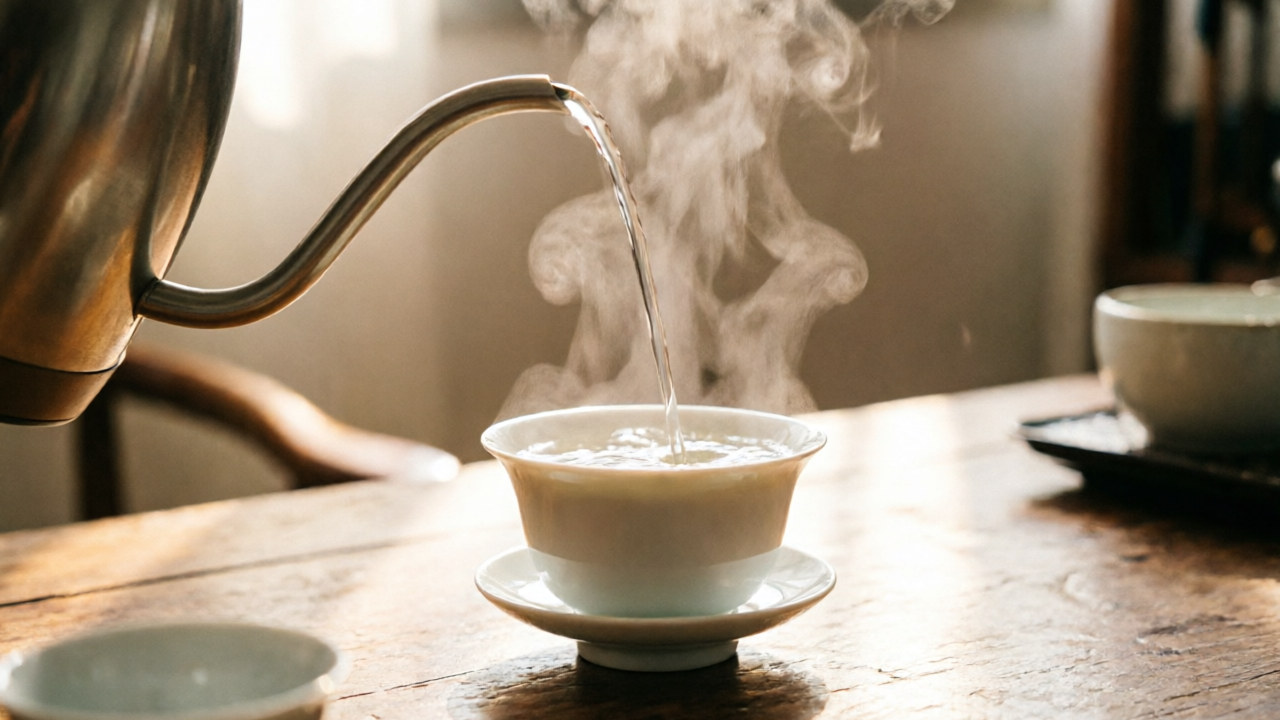
A gooseneck spout delivers a slow, controlled stream of water. This matters when you’re filling a small gaiwan or yixing pot — you want to cover the leaves without splashing, and you want to control the pour speed for different steeps. Gooseneck kettles also work well for single-cup pour-over brewing.
The Cosori Gooseneck Electric Kettle ($69.99) is the gold standard here. The INTASTING Gooseneck Kettle ($59.46) offers a solid alternative with similar precision at a slightly lower price. For a stovetop gooseneck, the Apusu Tea Kettle with Thermometer ($20.97) combines a gooseneck spout with a built-in thermometer — handy for temperature-aware brewing on the stove.
Standard spout — speed for daily brewing
Standard spouts pour fast. They’re great for filling teapots and mugs, less ideal for precise gongfu work. If you mostly brew Western-style — leaves in a pot, water poured, steeped, and served — a standard spout is perfectly fine.
The short version: Gongfu drinkers need a gooseneck. Western-style brewers can use either. If you want one kettle that does both, get a variable-temperature gooseneck.
Kettle Materials — Stainless Steel, Glass, Cast Iron, and Copper
The material affects heat retention, durability, and how your water tastes (or doesn’t). Here’s how they compare:
Stainless steel — everyday durability
Stainless steel is the default for good reason: it’s durable, heats quickly, doesn’t break if dropped, and imparts no flavor to your water. Look for 304-grade stainless steel for the interior. The Cuisinart PerfecTemp ($59.99) and Chefman Electric Kettle ($29.99) both use stainless steel interiors.
Glass — watch your water boil
Borosilicate glass kettles let you see the water level and watch the boil — a small pleasure in the tea ritual. Glass doesn’t retain heat as well as stainless steel, so back-to-back sessions may need re-boils. The Cosori 1.7L Glass Kettle ($25.99) and Cuisinart 1.7L Glass Variable Temp ($59.99) both use borosilicate glass.
Cast iron (tetsubin) — traditional heat retention
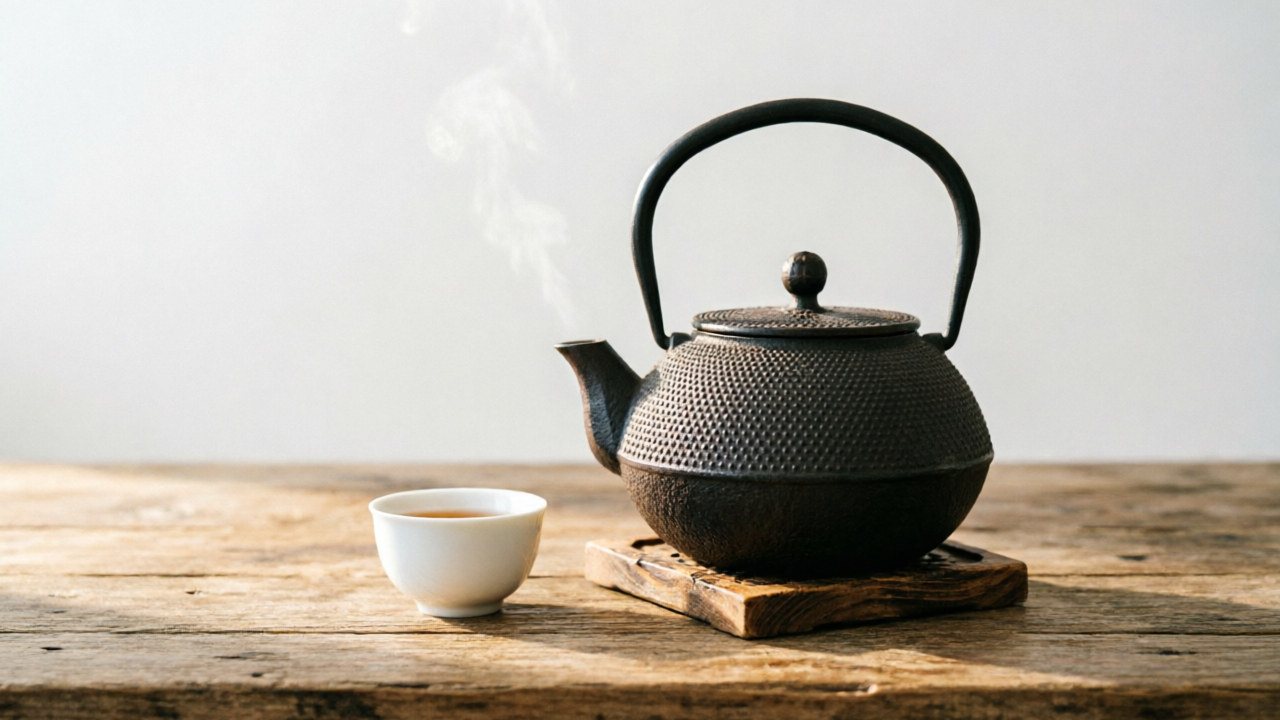
Japanese tetsubin kettles are cast iron and retain heat long after the boil. They’re traditionally used for heating water for tea, not for brewing directly in them. Modern tetsubin kettles often include an enamel lining to prevent rust. The suyika Japanese Tetsubin Cast Iron Kettle ($25.98) gives you the traditional aesthetic with a built-in infuser. Keep in mind: cast iron is heavy, requires thorough drying after each use, and should be stored with the lid off to prevent rust [1].
Copper — rapid heating (stovetop only)
Copper has the fastest heat conductivity of any kettle material. Water heats in half the time of stainless steel. But copper kettles are stovetop only — never electric — and require regular polishing to maintain their appearance. Copper is a niche choice for enthusiasts who want speed and beauty over convenience.
For material-specific maintenance tips — including how to descale each type — see the teaware care guide.
Capacity — Matching Kettle Size to Your Tea Session
Kettle sizes typically range from 0.5L to 1.7L. Which you need depends on how you drink tea.
Small (0.5–1L) for gongfu and solo sessions
A 0.8L gooseneck kettle fills a 100ml gaiwan 6–8 times per boil — enough for a full solo gongfu session of 6–8 steeps. The Cosori Gooseneck 0.8L ($69.99) is the standard pick here.
Medium (1–1.7L) for shared brewing
A 1.7L kettle fills 2–3 cups with margin. This is the most common size for household use — good for 2-person Western sessions or shared gongfu. Most models on the market, from the Chefman ($29.99) to the Cuisinart ($59.99), land in this range.
Large (1.7L+) for frequent hydration and family
If your household goes through several kettles a day or you often pre-boil water for a thermos, a 1.7L or larger kettle saves you repeated trips to the tap. The Elite Gourmet 1.7L ($34.99) and Cosori 1.7L Glass ($25.99) both deliver in this range.
Budget Guide — Tea Kettle Price Tiers
Kettles range from $15 to $200+. Here’s what each tier gets you.
Budget ($15–40) — whistling stovetop and basic electric
At this level, you’ll find simple, durable kettles with no electronics. The Primula Stewart Whistling Kettle ($14.99) is a classic whistling stovetop option. The Cosori 1.7L Glass Kettle ($25.99) gives you a basic electric with no-fuss operation. For temperature-aware stovetop brewing, the Apusu Gooseneck with Thermometer ($20.97) is a smart pick.
Mid-range ($40–90) — variable-temp and gooseneck
This is the sweet spot for tea enthusiasts. You get variable temperature control and — in many models — a gooseneck spout. The Cosori Gooseneck 0.8L ($69.99) and HIYAKOI Gooseneck ($39.99) both deliver ±1°F precision with good build quality. For a digital touchscreen option with keep-warm, the Elite Gourmet 1.7L ($34.99) sits right at the edge of this tier.
Premium ($90–200+) — precision electric and high-end materials
Premium kettles offer ±1°F precision, dual-wall insulation, quieter operation, and refined design. Brands like Fellow (Stagg EKG) and Brewista dominate this tier. For most tea drinkers, the mid-range delivers 90% of the experience at half the price.
Tea-Specific Recommendations — Which Kettle for Which Leaf
Different teas need different water, and different water needs different kettles. Here’s the cheat sheet:
| Tea Type | Water Temp | Spout Preference | Kettle Type |
|---|---|---|---|
| Green & white tea | 175–185°F | Gooseneck preferred | Variable-temp electric |
| Oolong | 195–205°F | Gooseneck | Variable-temp electric |
| Black tea & pu-erh | 212°F (full boil) | Either | Standard electric or stovetop |
| Matcha | 175°F (water only) | Gooseneck | Variable-temp electric |
These temperature ranges follow industry-standard brewing guidelines for optimal extraction at each leaf type [2]. Green and white teas are the most temperature-sensitive — they need precise lower temperatures to avoid bitterness. A variable-temperature kettle set to 175°F gives you consistent results every time. Oolong benefits from the same precision at slightly higher temperatures. Black tea and pu-erh are more forgiving — full boil is standard, and the water temperature drops naturally as it hits the leaves and the pre-heated vessel.
If you primarily drink a single tea type, you can get by with a simpler kettle. If you explore multiple varieties, a variable-temperature gooseneck kettle pays for itself in the first week.
The Mind of the Kettle
A kettle is not just for boiling water. It is the first act of every tea session — the moment heat meets intention. Whether you choose a whistling stovetop, a precise gooseneck, or a cast-iron tetsubin, let the sound of water coming to a boil remind you to slow down. The right kettle does not just heat water. It sets the pace.
References
[1] Cast iron kettle care — dry thoroughly after each use and store with lid off to prevent rust. Japanese Tetsuin Maintenance Guide. [2] Standard brewing temperature guidelines for tea — Specialty Tea Institute temperature recommendations for green, white, oolong, black, and pu-erh tea.