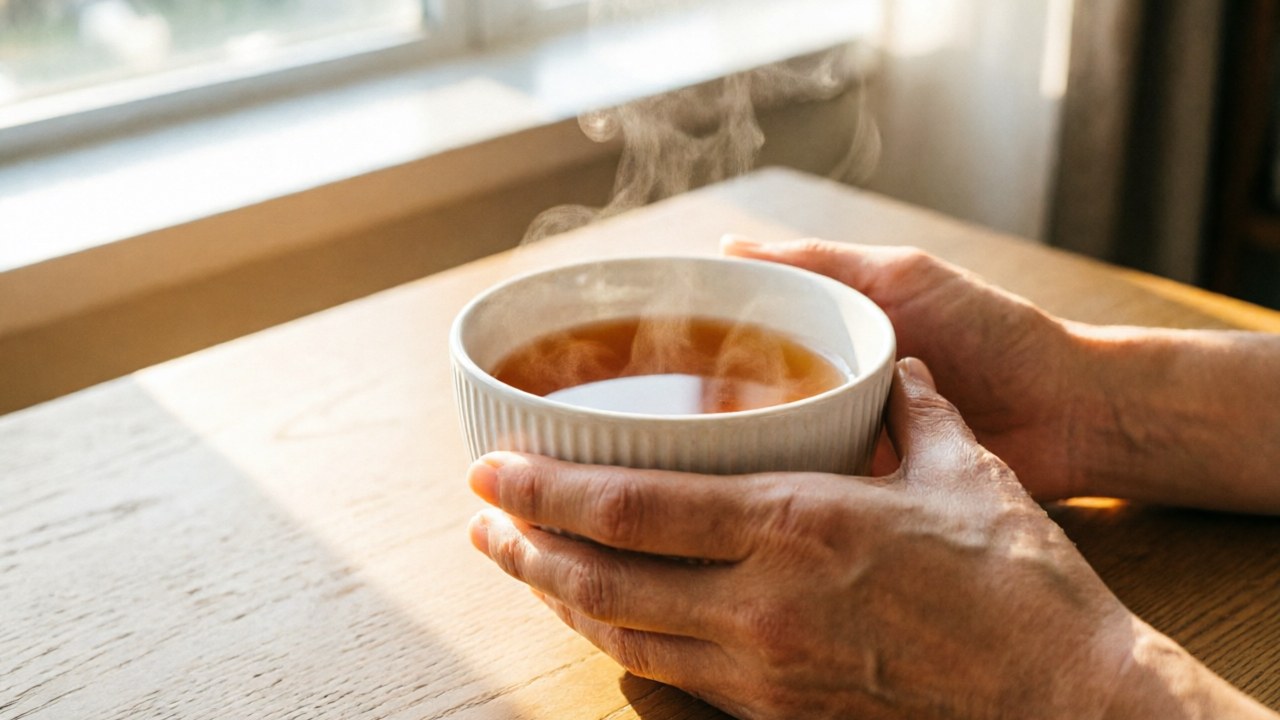
Cha qi (茶气, “tea energy”) is the body-and-mind sensation serious tea drinkers chase — warmth in the chest, clarity behind the eyes, a settling of the shoulders beyond what caffeine explains. In Chinese tea tradition, especially around gongfu tea ceremony and aged puerh culture, cha qi marks tea worth slowing down for.
But what is it, really? And how do you actually feel it, rather than just reading about it?
This guide covers what cha qi is, how it differs from being “tea drunk,” which teas carry it strongest, and a concrete five-step practice you can try at your own table.
What Cha Qi Is (and Is Not)
Cha qi is the word Chinese tea culture uses for the somatic experience of drinking high-quality, whole-leaf tea — the felt sense spreading through your body after several concentrated rounds. Think of it as the tea expressing itself through your nervous system: warmth, expansion, alertness, and a calm focus between meditation and good conversation.
It’s not a mystical energy claim. The experience has a plausible chemical basis: tea contains L-theanine (an amino acid that promotes relaxed alertness), caffeine, and in aged teas, additional alkaloids like theobromine and theophylline that create a more complex stimulant profile than caffeine alone [1]. Together, these compounds produce a body sensation that feels qualitatively different from coffee.
It’s also not the same as a caffeine buzz — that’s a separate phenomenon called cha zui (tea drunk), which we’ll sort out next.
The concept runs deep in Chinese tea tradition, particularly in Yunnan’s puerh culture and Fujian’s Wuyi rock tea circles. The Japanese tea tradition has a parallel concept — the felt ki (気) energy during chado practice [4] — though the vocabulary and framework differ.
Cha Qi vs Tea Drunk — Two Different Things
Most English-language articles conflate cha qi with cha zui (茶醉, “tea drunk”). They’re not the same thing.
| Cha Qi (茶气) | Cha Zui (茶醉) | |
|---|---|---|
| Feels like | Warmth, clarity, expansion, calm alertness | Dizziness, lightheadedness, stomach upset |
| Cause | High-quality tea, proper brewing, quiet attention | Too much strong tea on an empty stomach |
| Quality | Pleasant, grounded | Unpleasant, disorienting |
| Fix | Keep drinking slowly; enjoy it | Eat something, drink water, stop brewing |
The reason people conflate them is that both produce body sensations during tea drinking. But the direction matters: cha qi feels expansive and clear — you become more present, not less. Cha zui feels woozy and wrong, like you skipped lunch and had three espressos.
If you have ever felt a pleasant warmth spread across your chest after several rounds of gongfu-brewed puerh while your mind went quiet — that is cha qi. If you felt nauseous and shaky — that is cha zui, and you need food [3].
Which Teas Carry Strong Cha Qi
Aged, high-altitude, whole-leaf teas carry more body energy than fresh, flat-grown, broken-leaf teas. Here is how the main categories rank:
Aged Raw Puerh (Sheng) — Strongest
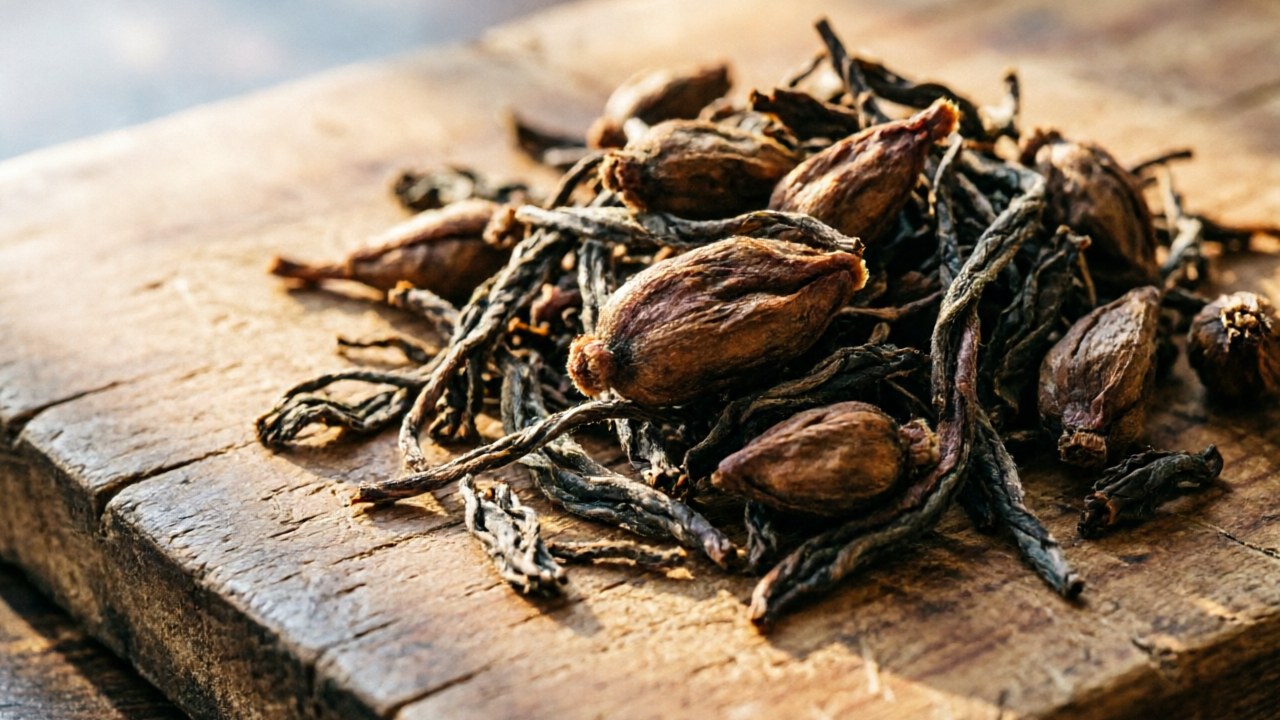
Old-tree (gushu) raw puerh from Yunnan’s mountains is the gold standard for cha qi. Leaves store energy over years of aging — microbial activity transforms the chemical profile, softening astringency while building depth and body [1]. A 5-10 year aged sheng produces cha qi that starts in the chest and radiates outward [5].
- TAETEA 7542 Classic Raw Pu-erh Cake ($23.99) — Dayi’s benchmark 7542 recipe, one of the most referenced aged sheng blends for cha qi practice
- SANRAN Raw Pu-erh, Aged Yunnan Sheng ($16.99) — budget-friendly entry for a first cha qi session
Wuyi Yancha (Rock Oolong) — Second Strongest
Da Hong Pao, Rou Gui, and other Wuyi rock oolongs carry a mineral, grounding cha qi. The rocky terroir gives them a density that translates into strong body presence [5].
- FullChea Da Hong Pao Wuyi Rock Tea ($12.99) — best value yancha for exploring cha qi
- NASLAPH Da Hong Pao AAA Grade ($20.99) — premium grade for a deeper experience
Tie Guan Yin — Lighter, Floral
Tie Guan Yin produces a gentler, floral cha qi — good for developing sensitivity because the subtle sensation trains you to notice finer signals.
- NASLAPH Tieguanyin Iron Goddess AAA ($19.99) — floral oolong for refining cha qi perception
Young Green Tea — Subtle
Longjing and other young green teas carry the lightest cha qi — gentle, brief, and easy to miss. Not recommended for a first experience; better for practitioners who already know what they are looking for.
How to Experience Cha Qi — A Five-Step Practice
Step 1: Set the Conditions
Drink tea about two hours after eating — not starving, not full. Sit at a clean surface. Put your phone away. You just need quiet attention and a body that is not digesting a heavy meal.
Step 2: Brew Gongfu-Style
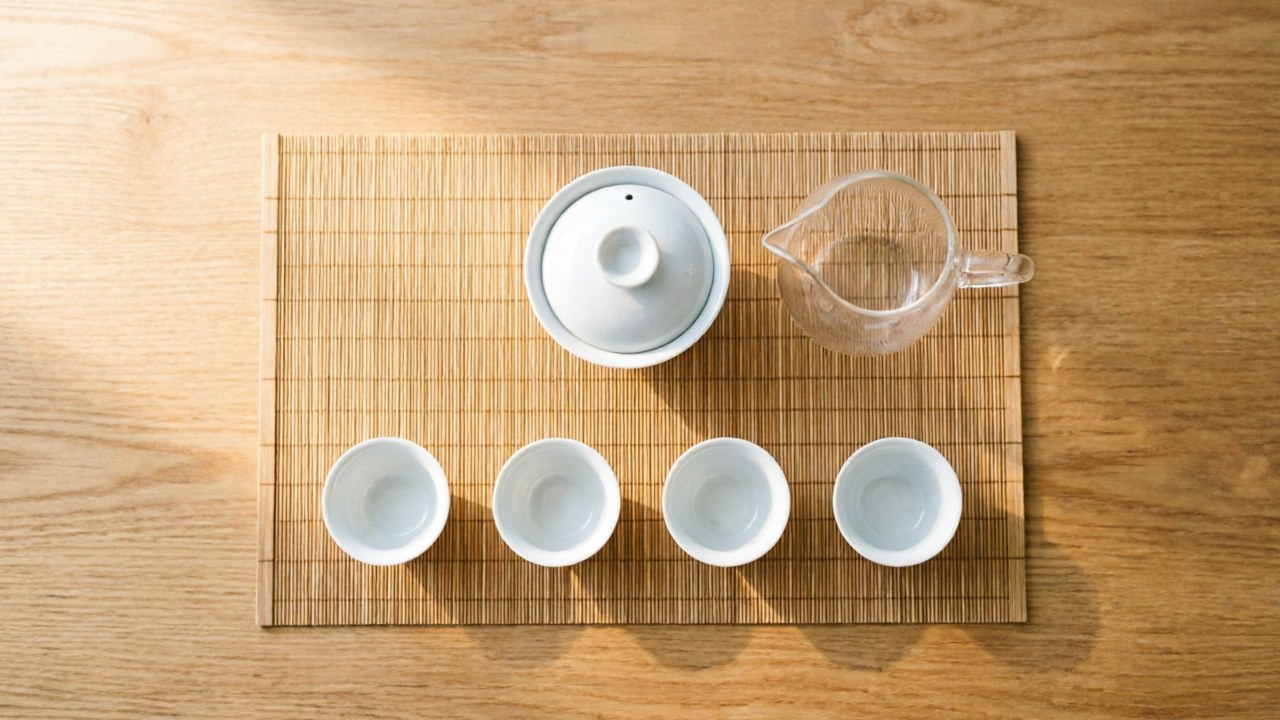
Use a small vessel with a high leaf-to-water ratio and short steeps (10-15 seconds for the first few rounds). This concentrates the compounds that contribute to cha qi [5]. A Jingdezhen porcelain gaiwan (150ml) ($14.97) gives you neutral tasting — nothing added, nothing hidden. For a different effect, a Yixing clay teapot (220ml) ($17.99) amplifies body sensation because the zisha clay retains heat and softens the liquor. For full brewing parameters, see our gongfu brewing basics.
Step 3: Pour and Wait
Decant through a glass tea pitcher (cha hai) ($12.98) so every cup gets the same strength. Let it cool — cha qi is easier to feel when the liquid is not scalding.
Step 4: Drink in Small Sips
Use small tasting cups (1.6oz each) ($11.00). Don’t gulp. Notice the liquid’s weight in your mouth and where your attention goes after you swallow — throat, chest, sinuses. These are where cha qi registers first [5].
Step 5: Scan Your Body
After 3-5 steeps, put the cup down and pause. Notice warmth spreading across your chest, clarity behind your eyes, or dropped shoulders. That subtle, pleasant shift is cha qi — a settling, not a jolt. If you feel dizzy or nauseous instead, you are experiencing cha zui. Eat something and dial back the leaf quantity next time.
Factors That Enhance or Block Cha Qi
The same tea can produce a vivid cha qi experience on one day and nothing the next. Here’s what tips the balance:
Enhancers:
- Empty stomach (2+ hours after eating)
- Quiet, undistracted environment
- Relaxed breathing
- Aged, whole-leaf tea brewed gongfu-style
- Small vessel, short steeps, high leaf ratio
Blockers:
- Heavy meal beforehand (body is busy digesting)
- Distractions — phone, TV, loud conversation
- Low-quality broken-leaf tea (bagged tea won’t produce cha qi)
- Over-steeping into bitterness (masks the subtlety)
- Western-style long steeps in a large pot (dilutes concentration)
Vessel material matters too. Yixing clay amplifies body sensation because porous zisha retains heat and rounds the liquor. Porcelain stays neutral. Glass gives a thinner body feel. Learn how to choose a yixing teapot and how to choose a gaiwan to match your practice.
Your setting matters. A wooden gongfu tea tray ($24.99) does more than catch water — it creates a dedicated space that signals “this is tea time.” The physical boundary helps your attention settle.
Developing Sensitivity Over Time
Most people feel nothing specific in their first cha qi session. That’s normal — the sensation is subtle, and modern life trains us to ignore quiet body signals. Here’s how sensitivity develops:
First session: You may notice the tea tastes good, or that you feel relaxed. That’s enough. Don’t force an experience.
After 5-10 sessions with the same tea: Patterns start to emerge. You notice this puerh always warms your chest. This yancha always opens your sinuses. The sensation becomes predictable, which means you can start to recognize it.
Practice tips:
- Keep a simple tea journal: tea name, vessel, number of steeps, what you noticed
- Stick with one tea type for two weeks before switching — jumping between varieties makes it harder to build a baseline
- Compare notes with other practitioners — communities like r/tea and r/puer on Reddit have ongoing cha qi discussions [6]
- Try a ten-minute tea pause as a daily companion practice — shorter but builds the habit of attention
If you’re coming from matcha ceremony, you may already have some sensitivity. Matcha produces cha qi too — lighter, quicker, more cerebral. Aged puerh cha qi is slower, deeper, and more physical.
Common Misconceptions
“Cha qi is just caffeine.” No. While caffeine is part of the picture, tea’s L-theanine modulates caffeine into calm alertness rather than a jangly spike. Aged teas also develop complex alkaloid profiles through microbial transformation — theobromine, theophylline, and other compounds that contribute body sensations beyond what caffeine alone produces [1].
“You need expensive tea.” No. A decent raw puerh cake in the $15-25 range, brewed gongfu-style, can produce a clear cha qi experience. Age, leaf quality, and method matter more than price.
“It’s supernatural.” No. Cha qi is a phenomenological experience grounded in tea chemistry and mindful attention. No mysticism required, though the tradition uses poetic language.
“Everyone feels it the same way.” No. Body responses vary widely — warmth, clarity, or a dropping of tension. There is no single “correct” cha qi sensation [2][6].
A Cha Qi Starter Kit
Build a dedicated cha qi practice with these essentials, ranked by priority:
| Role | Product | Why |
|---|---|---|
| Tea (strongest qi) | TAETEA 7542 Raw Pu-erh | Classic aged sheng — the benchmark |
| Tea (budget) | SANRAN Raw Pu-erh | First-session entry without the price tag |
| Vessel (neutral) | Jingdezhen Gaiwan 150ml | Porcelain for honest tasting |
| Vessel (amplifier) | Yixing Teapot 220ml | Clay enhances body feel |
| Fair cup | Glass Pitcher 350ml | Even distribution across rounds |
| Tasting cups | White Porcelain Set/4 | Small sips concentrate attention |
| Tray | Wooden Gongfu Tray | Dedicated space signals focus |
| Yancha option | FullChea Da Hong Pao | Rock oolong alternative to puerh |
You don’t need everything on day one. Start with one tea, one gaiwan, and a tasting cup. Add the yixing teapot once you can taste the difference between steeps. The tray comes when cha qi practice becomes a regular part of your week.
Where Cha Qi Sits on the Site
Cha qi lives in the ceremony hub’s Practice lane. These related pages deepen the context:
- Gongfu tea ceremony — the primary brewing tradition where cha qi is most discussed
- Chado — the Japanese equivalent, where ki (気) energy plays a parallel role
- Gongfu brewing basics — full parameter guide for the brewing method that concentrates cha qi
- How to choose a gaiwan — the neutral vessel for honest tasting
- How to choose a yixing teapot — the clay vessel that amplifies body feel
The Mind of Cha Qi
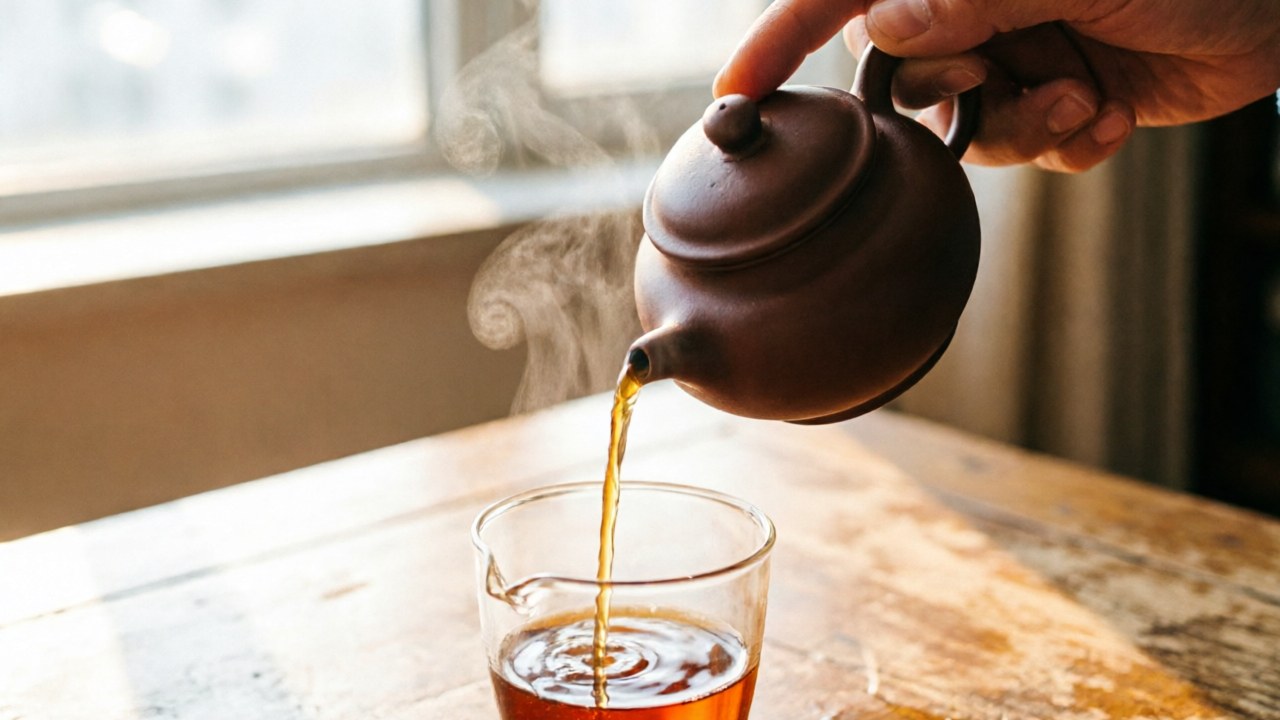
Cha qi is not magic — it is what happens when good tea meets patient, unhurried attention. The warmth in your chest after the fifth steep of an aged puerh is not the tea telling you something. It is you, finally quiet enough to notice what was always there — and worth the patience it requires.
References
[1] Path of Cha — “The Enigmatic Cha Qi: Tea Experience and Its Transformative Powers.” https://pathofcha.com/blogs/all-about-tea/the-enigmatic-cha-qi-tea-experience-and-its-transformative-powers [2] Teasenz — “What is Cha Qi (Tea Energy)?” https://teasenz.eu/blogs/tea-magazine/what-is-cha-qi-tea-energy [3] Rishi Tea — “Cha Qi & Tea Drunk.” https://www.rishi-tea.com/blogs/journal/cha-qi-tea-drunk [4] Wikipedia — “Qigong.” https://en.wikipedia.org/wiki/Qigong [5] Wikipedia — “Gongfu Tea.” https://en.wikipedia.org/wiki/Gongfu_tea [6] Reddit r/tea — “Cha Qi — How to Get It?” https://www.reddit.com/r/tea/comments/4a38td/cha_qi_how_to_get_it/